
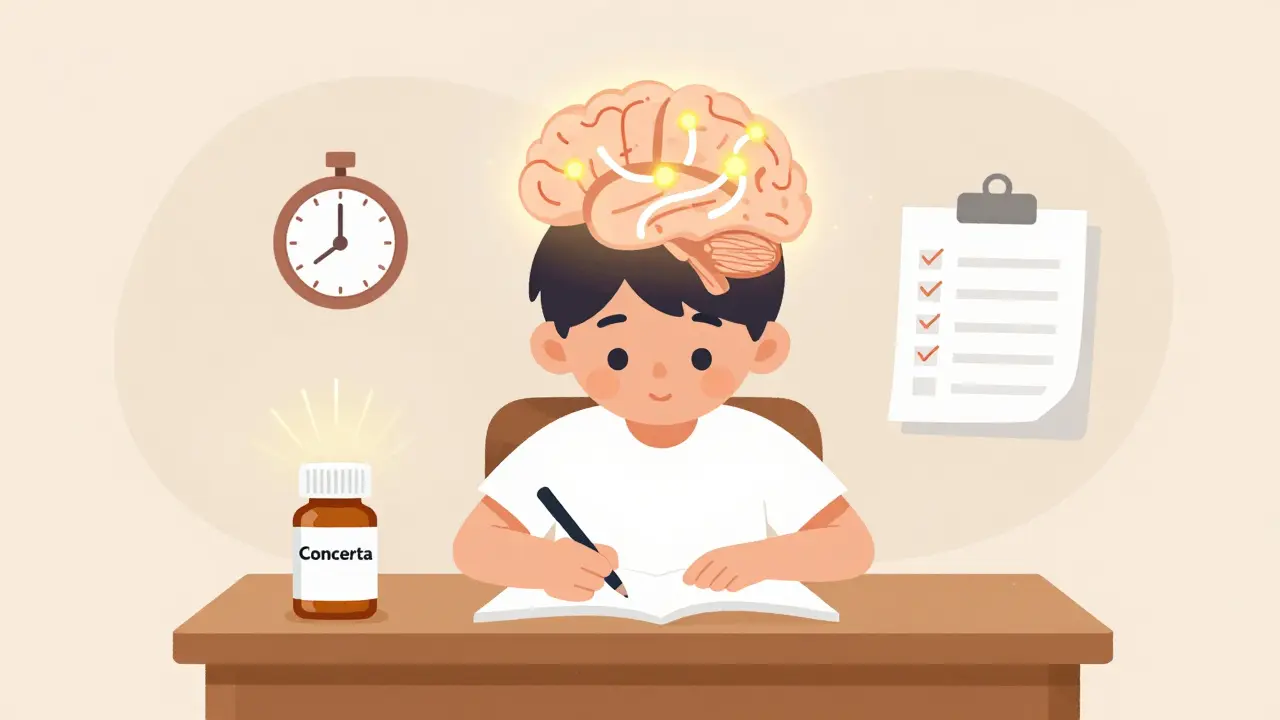
When you or your child struggles with focus, impulsivity, or constant restlessness, it’s easy to feel like you’re fighting an invisible battle. ADHD isn’t just about being distracted-it’s a neurodevelopmental condition that affects how the brain manages attention, impulse control, and activity levels. And while it’s often misunderstood, the good news is we have real, research-backed ways to help. The most effective approach doesn’t rely on one thing alone. It combines medication-both stimulants and non-stimulants-with practical behavioral strategies that build lasting skills.
Stimulants: The First-Line Choice for Most
For over 85 years, stimulant medications have been the go-to treatment for ADHD. They work fast-often within an hour-and help about 70 to 80% of people see clear improvements in focus, organization, and impulse control. The two main types are methylphenidate and amphetamine derivatives.
Methylphenidate includes brands like Ritalin, Concerta, and Focalin. Amphetamines include Adderall, Vyvanse, and Dexedrine. Both boost dopamine and norepinephrine in the brain, especially in the prefrontal cortex-the area responsible for planning, focus, and self-control. That’s why people often feel calmer and more in control after taking them, even though they’re stimulants.
Extended-release versions are now the standard. Concerta and Vyvanse, for example, last 10 to 12 hours, meaning one dose can cover the school day and homework time without needing a midday pill. Immediate-release versions wear off in 3 to 4 hours and require multiple doses, which can be harder to manage-especially for kids in school.
But stimulants aren’t magic. Side effects are common. About half of children on these meds lose their appetite. Sleep problems show up in 30 to 50% of users. Headaches and stomachaches happen too. Some people report feeling emotionally flat-like the edges of their personality have been smoothed out. On Reddit’s r/ADHD, over 68% of respondents said appetite loss stuck around long-term, and more than half struggled with sleep even after months of use.
Doctors usually start low: 5 mg of methylphenidate or 2.5 mg of amphetamine. Then they slowly increase the dose every week until symptoms improve or side effects become too much. Blood pressure and heart rate are checked before starting and every few months after. Growth is monitored too-some kids slow in height or weight gain during the first year, but most catch up by age 10 to 12.
Non-Stimulants: Slower, But Safer for Some
If stimulants don’t work-or cause too many side effects-non-stimulants are the next step. They don’t boost dopamine as directly, but they still help regulate attention and behavior. The main ones are atomoxetine (Strattera), guanfacine (Intuniv), and clonidine (Kapvay).
Atomoxetine works by increasing norepinephrine. It’s not a controlled substance, so there’s no risk of abuse. But it takes 4 to 6 weeks to kick in. That’s a long wait when you’re struggling to get through the day. About 50 to 60% of people respond, which is lower than stimulants, but for some, it’s the only option that works.
Guanfacine and clonidine were originally blood pressure meds. They calm the nervous system by targeting alpha-2 receptors in the brain. They’re especially helpful for kids with emotional outbursts, aggression, or tics. A study from Children’s Hospital Boston found these drugs caused less irritability and appetite loss in preschoolers than stimulants.
Non-stimulants are often chosen when there’s a history of substance use, anxiety, or heart problems. They don’t raise heart rate or blood pressure like stimulants do. But they can cause drowsiness, dizziness, or low blood pressure. And because they’re slower, they’re not ideal for quick fixes.
Behavioral Strategies: Building Skills That Last
Medication helps manage symptoms. But behavioral strategies help build skills. And those skills stick around even after the meds wear off.
For kids, parent training is one of the most effective tools. Programs like the New Forest Parenting Programme teach parents how to give clear, calm instructions, use consistent rewards and consequences, and reduce power struggles. It sounds simple, but it’s not easy. These programs require 12 to 16 weekly sessions, each 90 minutes long. But studies show 40 to 50% of kids show big improvements in behavior at home and school.
Teachers can help too. Simple classroom changes-like seating the child near the front, breaking tasks into smaller chunks, or using visual timers-can make a huge difference. A 2023 review found that kids who got both medication and classroom support did better academically than those who got only one.
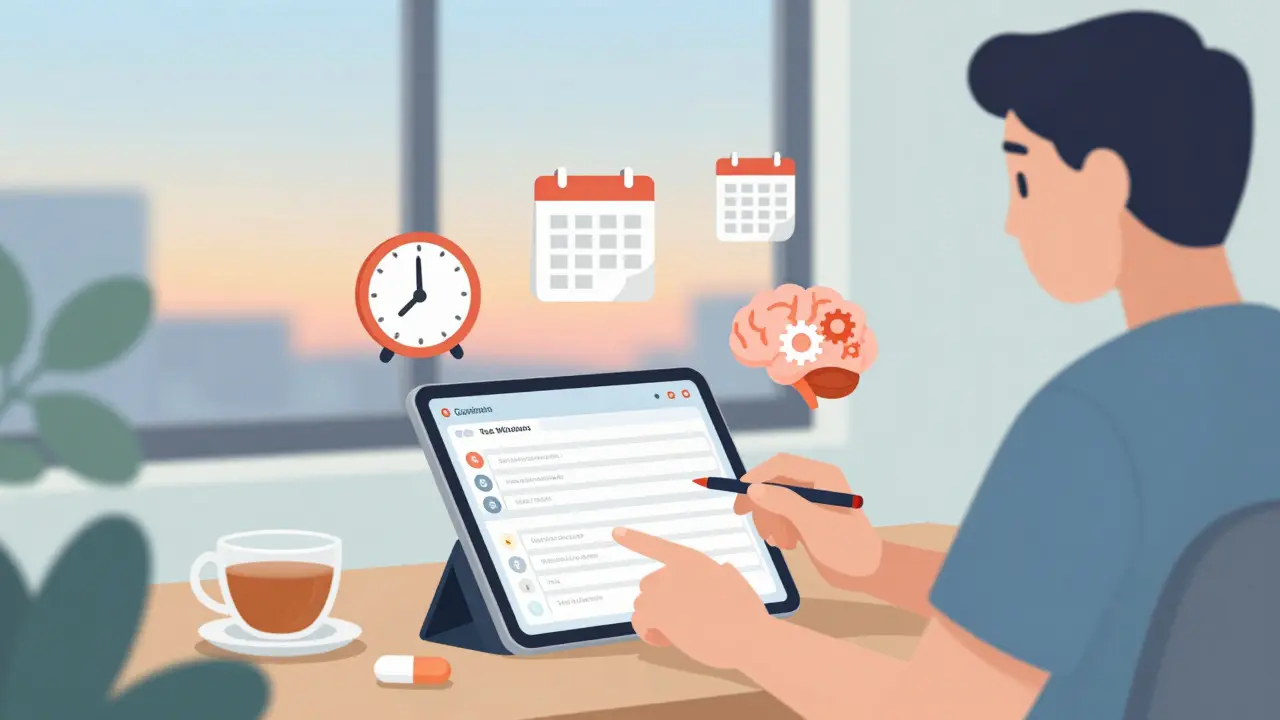
For teens and adults, organizational tools matter. A planner, phone alarms, and a daily checklist aren’t just nice-to-haves-they’re necessary. People with ADHD often struggle with time blindness. Setting alarms for every transition-“start homework,” “leave for work,” “eat dinner”-can prevent the whole day from slipping away.
Therapy, especially cognitive behavioral therapy (CBT), helps rewire how people think about their ADHD. Instead of thinking, “I’m lazy,” they learn, “My brain needs structure.” CBT teaches problem-solving, emotional regulation, and how to challenge negative self-talk. One 2021 study found adults with ADHD who did CBT improved their time management and self-esteem more than those who only took meds.
What Works Best Together
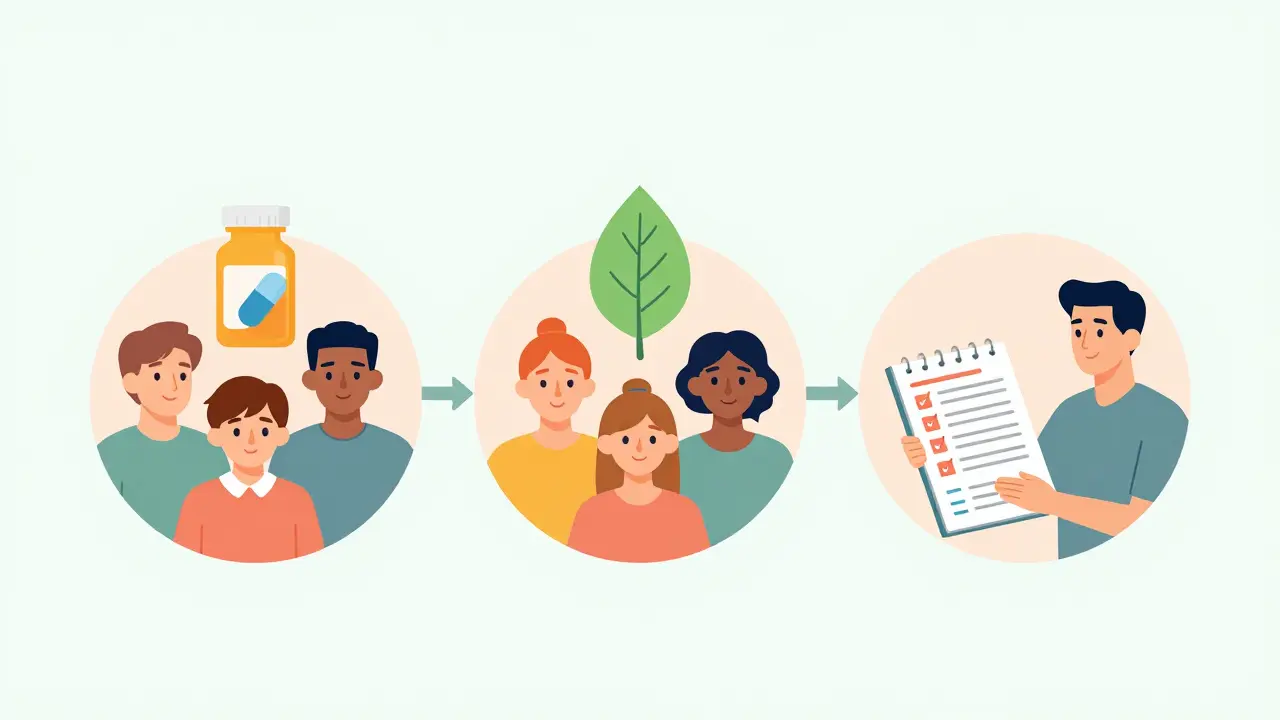
The landmark MTA study from 1999 still holds up today. It followed over 500 children with ADHD for years. The group that got both medication and behavioral therapy did better than any other group-in school, at home, and socially. The medication gave them immediate relief. The behavioral strategies gave them tools to manage life without always needing a pill.
That’s the key insight: meds help you function in the moment. Behavior changes help you thrive long-term. You don’t have to choose one or the other. In fact, combining them is the most powerful approach.
For example, a child on Concerta might still struggle to start homework. A behavioral plan could include a 5-minute “pre-homework routine”: get water, lay out books, set a timer for 15 minutes. That routine becomes automatic. Over time, the brain learns to trigger focus without needing the medication to be at peak level.
Adults can do the same. Taking Vyvanse might help them stay focused at work, but using a digital task manager with reminders and weekly reviews keeps them on track even on days when the medication wears off early.
Cost, Access, and Real-World Challenges
Cost is a real barrier. Generic methylphenidate costs $15 to $25 a month. But brand-name extended-release pills like Vyvanse or Adderall XR can run $250 to $400 without insurance. Most U.S. insurers make you try the cheapest option first-usually generic methylphenidate-before approving the pricier ones. That’s called step therapy, and it’s common.
Outside the U.S., access varies. In Japan, stimulants are only approved for kids over 6 with severe symptoms. In Europe, regular growth checks are required. In Qatar, a 2022 study found 72% of kids on methylphenidate had side effects, and girls reported them more often than boys.
And then there’s the stigma. Some parents worry about labeling their child. Some adults fear being seen as “drug-dependent.” But the reality is, treating ADHD isn’t about fixing a flaw-it’s about supporting a brain that works differently. Just like glasses help someone see clearly, medication and strategies help someone focus clearly.
What’s New in 2026
The field is evolving. In 2023, the FDA approved AZSTARYS-a new combo drug designed to be harder to misuse while lasting 13 hours. It’s promising, but still expensive.
Genetic testing is starting to play a role. Tests like Genomind’s PGx Express can analyze how your body metabolizes meds based on your CYP2D6 and CYP2C19 genes. One 2023 study showed these tests could predict who won’t respond to certain stimulants with 65% accuracy. That means less trial and error.
There’s also growing interest in digital therapies. EndeavorRx, an FDA-cleared video game for kids aged 8 to 12, is now prescribed by doctors. It trains attention through gameplay. New VR-based programs are in late-stage trials, aiming to improve working memory and impulse control without pills.
And in early 2024, the American Academy of Pediatrics updated its guidelines to recommend screening for eating disorders before starting stimulants. Why? New data shows a 12% higher risk in people already prone to them.
What to Do Next
If you’re considering treatment, start with a thorough evaluation. ADHD looks different in girls, adults, and people with anxiety or depression. A good clinician will rule out other causes.
Ask about:
- What’s the goal? (Focus? Impulse control? Sleep?)
- What are the side effect risks for you or your child?
- Can we start with a low-dose stimulant and add behavioral support?
- Are there non-stimulant options if stimulants don’t work?
Track symptoms and side effects in a simple journal. Note when meds are taken, what the day felt like, sleep quality, appetite, mood. Bring it to appointments. That data matters more than you think.
And remember: treatment isn’t a one-time fix. It’s a process of adjustment. What works at age 8 might not work at 14. What helps in college might need tweaking in a job. Stay open. Stay patient. And know that you’re not alone.
Are stimulants addictive for people with ADHD?
When taken as prescribed, stimulants are not addictive for people with ADHD. In fact, studies show untreated ADHD carries a higher risk of substance abuse than treated ADHD. The brain in ADHD doesn’t respond to stimulants the same way a neurotypical brain does-it doesn’t get a euphoric high. Instead, it gets calm and focused. The risk of misuse comes from people without ADHD taking them for focus or energy, not from patients using them as directed.
Can you outgrow ADHD and stop medication?
Some people do see symptoms improve with age, especially hyperactivity. But inattention and disorganization often persist into adulthood. The MTA 20-year follow-up found 28% of participants stopped meds by adolescence, but many still struggled with time management, relationships, and jobs. Stopping medication should be a decision made with a doctor-not because you feel “fine” for a week. Symptoms can quietly return.
Do non-stimulants work as well as stimulants?
On average, stimulants work better-about 70-80% respond, compared to 50-60% for non-stimulants. But “better” doesn’t mean “only.” For people with tics, anxiety, or a history of drug use, non-stimulants are often the only safe or effective option. Some people respond better to one type than the other. It’s not about which is stronger-it’s about which fits your body and life.
What if medication causes sleep problems?
Sleep issues are common, especially with afternoon or evening doses. The fix isn’t always quitting the med. Try moving the last dose earlier-6 to 8 hours before bedtime. Use a lower dose. Add a non-stimulant like guanfacine at night, which can actually help with sleep. Or use behavioral strategies: no screens after 8 p.m., a cool dark room, and a wind-down routine. Many people find that once sleep improves, their daytime focus gets better too.
Can diet or supplements replace medication?
No. While a healthy diet helps overall brain function, there’s no evidence that omega-3s, zinc, or eliminating sugar can replace medication for moderate to severe ADHD. Some people report small improvements with nutrition, but those are not enough to restore daily functioning on their own. Think of diet as support-not substitution. High-protein breakfasts before taking stimulants can help with appetite loss, but they won’t fix focus.
Is behavioral therapy only for kids?
Absolutely not. Adults benefit just as much. CBT for ADHD helps with procrastination, emotional regulation, and self-criticism. Coaching helps with organizing work, managing finances, and building routines. Many adults say the biggest change wasn’t the pill-it was learning how to structure their day so they don’t have to rely on willpower. That’s a skill that lasts a lifetime.
ADHD isn’t a flaw. It’s a different wiring. And with the right mix of medicine, support, and strategy, that wiring can become a strength-not a barrier.

Matt W
February 2, 2026 AT 01:47Stimulants saved my life in college. I used to pull all-nighters just to finish a 3-page paper. Now I take Vyvanse, get up at 7, and actually finish stuff before midnight. No hype, no drama-just function.
Anthony Massirman
February 2, 2026 AT 12:52My kid’s teacher started using visual timers and now he turns in homework. No meds needed. Sometimes the simplest fixes work best.
George Firican
February 4, 2026 AT 12:22The real tragedy isn't ADHD-it's the way we've turned neurodiversity into a pharmaceutical industry checklist. We diagnose, we prescribe, we monitor growth charts, and somewhere along the line we forgot to ask: what if the problem isn't the brain, but the environment that demands constant hyperfocus from a mind built for exploration? The stimulants may quiet the chaos, but they don't teach the world how to make space for different rhythms. Behavioral strategies aren't just adjuncts-they're acts of cultural reclamation. We need schools that allow movement, adults who understand that 'lazy' is just a word for 'unstimulated,' and systems that don't punish neurology for not fitting into a 9-to-5 mold designed for a different kind of human.
Solomon Ahonsi
February 4, 2026 AT 12:23Yeah right, 'non-stimulants are safer.' My cousin took Strattera for six months and turned into a zombie who forgot his own birthday. Just give me the real stuff and stop coddling people.
Akhona Myeki
February 6, 2026 AT 01:55In South Africa, we don’t have access to Vyvanse or even generic methylphenidate in rural clinics. We have teachers who don’t know what ADHD is, and parents who think their child is just 'badly raised.' You people in the West act like this is a luxury problem. It’s not. It’s a global neglect crisis.
Chinmoy Kumar
February 6, 2026 AT 15:27im in india and my doc prescribed adderall but i couldnt afford it so i started doing 20min morning meditations and eating almonds before class… its not perfect but i feel less anxious and my grades improved a bit. maybe its placebo but hey its better than nothing
Sandeep Kumar
February 8, 2026 AT 11:59CBT for ADHD? Sounds like therapy speak for 'try harder'. If your brain doesn't work like mine stop pretending it needs fixing with talk and timers. Just give me the pill and get out of my way
Gary Mitts
February 8, 2026 AT 13:00So we’re prescribing video games now? Next they’ll hand out ADHD-approved TikTok filters to improve attention span.
Vatsal Srivastava
February 10, 2026 AT 05:12Everyone talks about the MTA study like it’s gospel but nobody mentions the dropout rate was 40% and half the kids stopped taking meds by year two. The 'gold standard' is just a fancy placebo with better funding
clarissa sulio
February 10, 2026 AT 21:31My daughter’s school tried the visual timers and it worked better than the Adderall. I’m not anti-med, but I’m pro-common-sense. Why do we always jump to the pill first?
Bridget Molokomme
February 12, 2026 AT 04:18Wow. So the real solution is… structure? Who would’ve guessed? Next you’ll tell me breathing helps with anxiety.
phara don
February 13, 2026 AT 06:23My neurologist ran a PGx test and found I’m a slow metabolizer. Switched from Adderall to Concerta and my anxiety dropped. I didn’t know genes could do that. Wild.