
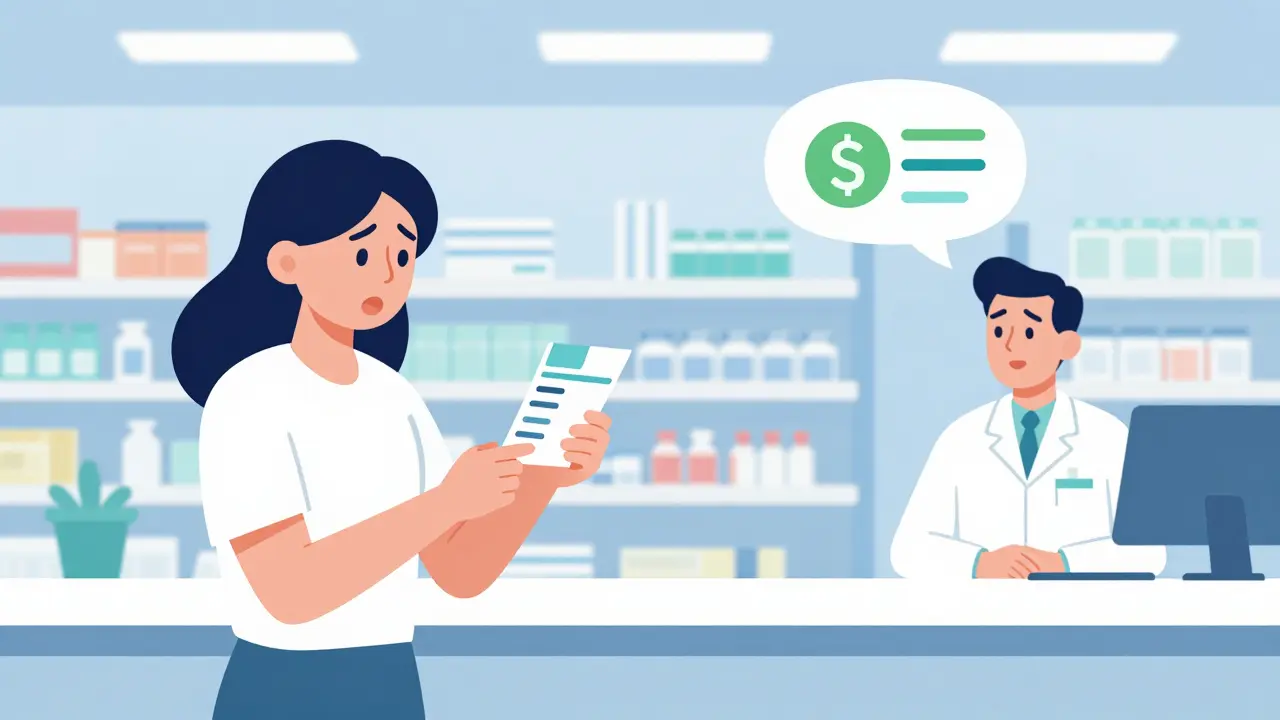
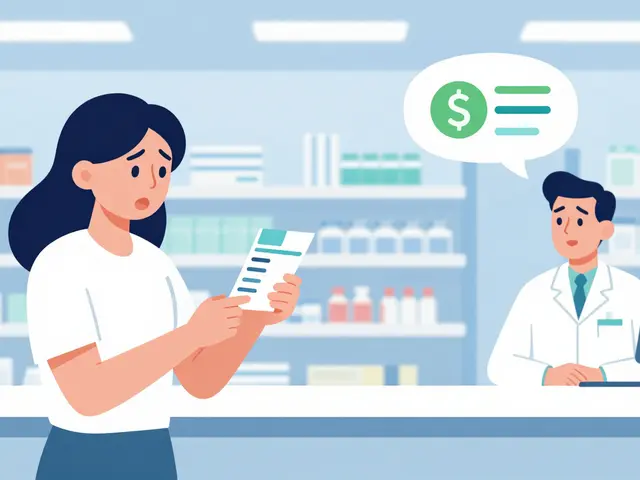
Imagine walking into a pharmacy counter, handing over a script for common blood pressure meds, and seeing a price tag that makes you pause. That sting of sticker shock isn't just annoying; it's becoming a reality for millions. With healthcare costs climbing year after year, many people find themselves turning away from standard insurance to alternative payment methods. The good news is that options exist. You can slash the price of your prescriptions without changing your health plan. By using coupon and discount card programs correctly, you can access deeply discounted rates often unavailable through traditional insurance channels.
What Are Prescription Discount Cards?
Before diving into the apps and wallets, we need to understand what we are actually buying. A Prescription Discount Card functions as a third-party service that provides patients with reduced prices on medications through negotiated rates with pharmacies. Unlike health insurance, which pools risk across a group, these cards act more like a coupon book. They bypass your deductible and co-insurance entirely. When you swipe the card, the pharmacy processes the transaction at the pre-negotiated cash rate. This system has become crucial because of the proliferation of High-Deductible Health Plans (HDHPs). In 2022, nearly half of American workers had coverage with deductibles so high that they paid full cash prices until those thresholds were met. These cards bridge that gap immediately.
The mechanics are straightforward but technical. The discount provider negotiates a bulk rate with the pharmacy or manufacturer. When you use the card, the pharmacy submits a claim to the provider, not your insurance company. The provider then pays the pharmacy, and you pay the discounted amount. Some models, like the famous Walmart generic program, operate differently by absorbing the cost themselves to drive foot traffic. Others, like GoodRx, founded in 2011, aggregate data from thousands of locations to show you where the deal is best. While GoodRx charges pharmacies a fee per transaction, the savings usually outweigh that overhead for the consumer.
Major Players in the Market
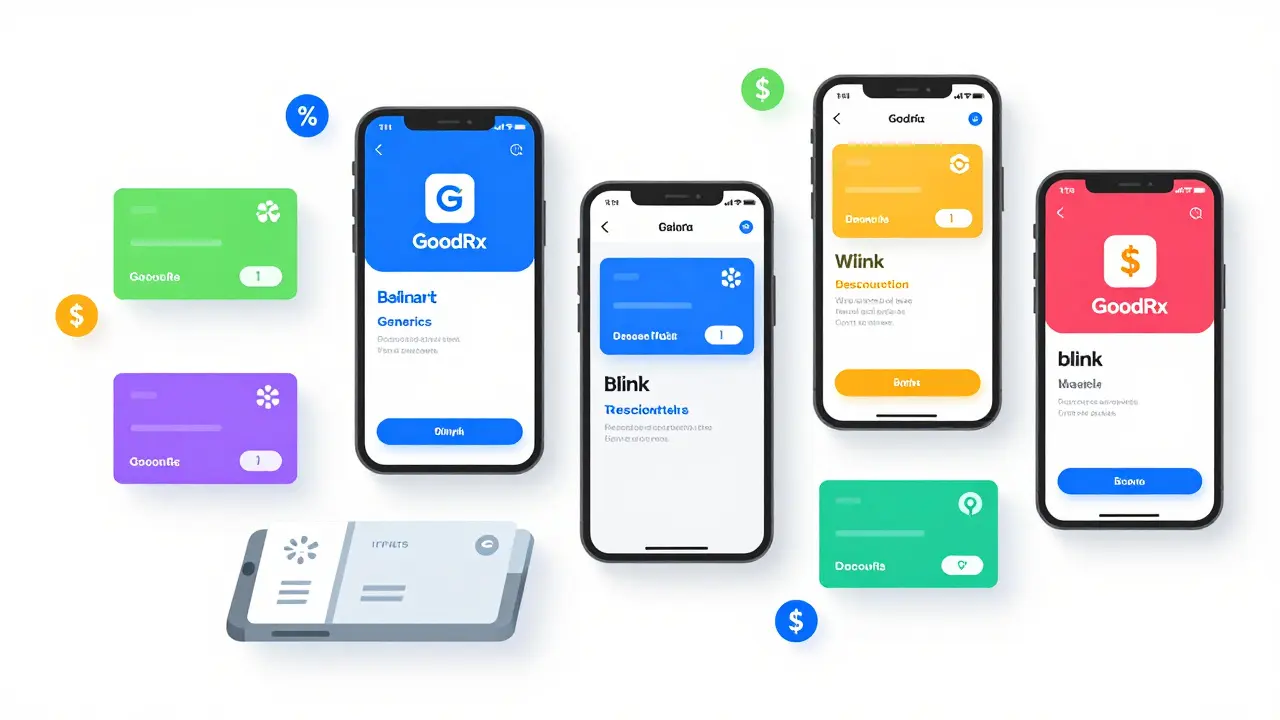
If you are standing at the register wondering which app to pull up, here are the heavy hitters shaping the landscape as of 2026. Understanding the strengths of each helps you decide which to keep in your digital wallet.
- Walmart $4 Generic Program: One of the pioneers, launched around 2006. This model offers roughly 300 generic medications for $4 for a 30-day supply or $10 for 90 days. It requires no app, just a simple printout or verbal confirmation at the register. It remains a gold standard for simplicity.
- GoodRx: The most popular digital platform. It doesn't offer a fixed price but scans multiple local pharmacies to find the lowest available rate. Their 2023 reports claimed discounts of up to 85% on various scripts. It excels at comparing nearby stores instantly.
- Blink Health: Similar to GoodRx but often focuses on direct-to-consumer e-commerce as well. They have expanded their network significantly, allowing users to buy meds online and have them shipped or picked up locally.
- NeedyMeds: Founded in 1984, originally a charity-focused site helping low-income patients find assistance. They expanded into discount services in the 2010s. They are particularly useful if you are struggling financially, as they also link to patient assistance programs.
While Walmart gives you a consistent flat rate, platforms like GoodRx offer variable pricing. Sometimes GoodRx beats Walmart by a few dollars; sometimes Walmart's flat fee is unbeatable. The key takeaway is that you should never rely on just one. Prices fluctuate based on location, inventory, and current pharmacy contracts.
The Real Savings: Data Breakdown
Marketing brochures often promise "up to 75% off," but what does the data actually say? We need concrete numbers to set realistic expectations. A pivotal study published in Circulation: Cardiovascular Quality and Outcomes in 2022 by Dr. Wheeler sheds light on this. Looking at heart failure treatments, the study found that a three-drug regimen containing only generic medications cost about $11 monthly using discount cards. That is a massive drop from the standard cash price, representing an average 65% discount.
However, there is a catch involving brand-name drugs. If that same regimen included a brand-name medication-specifically SGLT2 inhibitors-the cost jumped to between $1,200 and $1,500 per month, even with the discount applied. In that scenario, the savings were only about 10%. This distinction is vital. Generic Drugs are medication copies approved by regulators to match the original branded drug in safety and effectiveness but sold at lower prices. Discount cards work exceptionally well for generics. For brand-name biologics or newer therapies, the discount is often negligible compared to the base price.
| Category | Avg Cash Price | Avg Discounted Price | Savings |
|---|---|---|---|
| Generic-Only Regimen (Monthly) | $32.00 | $11.00 | ~65% |
| Brand-Name Included Regimen (Monthly) | $1,450.00 | $1,305.00 | ~10% |
| Walmart Flat Rate (30-day Generic) | Varies | $4.00 | Significant |
This table highlights why strategy matters. If your doctor prescribes a brand-name drug when a generic equivalent exists, ask about switching. The savings could turn hundreds of dollars into tens. Furthermore, always check if your pharmacist has a generic substitution option authorized. Even small shifts in formulary status can trigger eligibility for these steep discounts.
Who Benefits Most?
Are these cards right for you? It depends on your current coverage status. Research indicates that these programs are most beneficial for two groups: completely uninsured individuals and those with high-deductible plans early in the benefit year. For the uninsured, the card acts as de facto insurance for that specific visit. Without it, paying the cash rate is often prohibitive, leading to skipped doses.
For people with traditional PPO plans, the picture is murkier. An analysis from Ohio State University College of Pharmacy noted that for some insured members, a discount card price might still be higher than their insurance copay. Insurance networks leverage huge volume, often negotiating rates lower than standalone discount cards. However, if you haven't met your deductible, the card almost certainly wins. High-deductible health plans force consumers to pay out-of-pocket until a certain threshold, making the discount card a necessary tool to manage that period.
There is also a psychological factor. Studies from the NIH showed that patients who believe generic drugs are as effective as brand names are three times more likely to use these discount programs successfully. Confidence in the medication type drives usage. If you trust the generic version prescribed by your doctor, utilizing the card becomes much easier.
Potential Pitfalls and Limitations
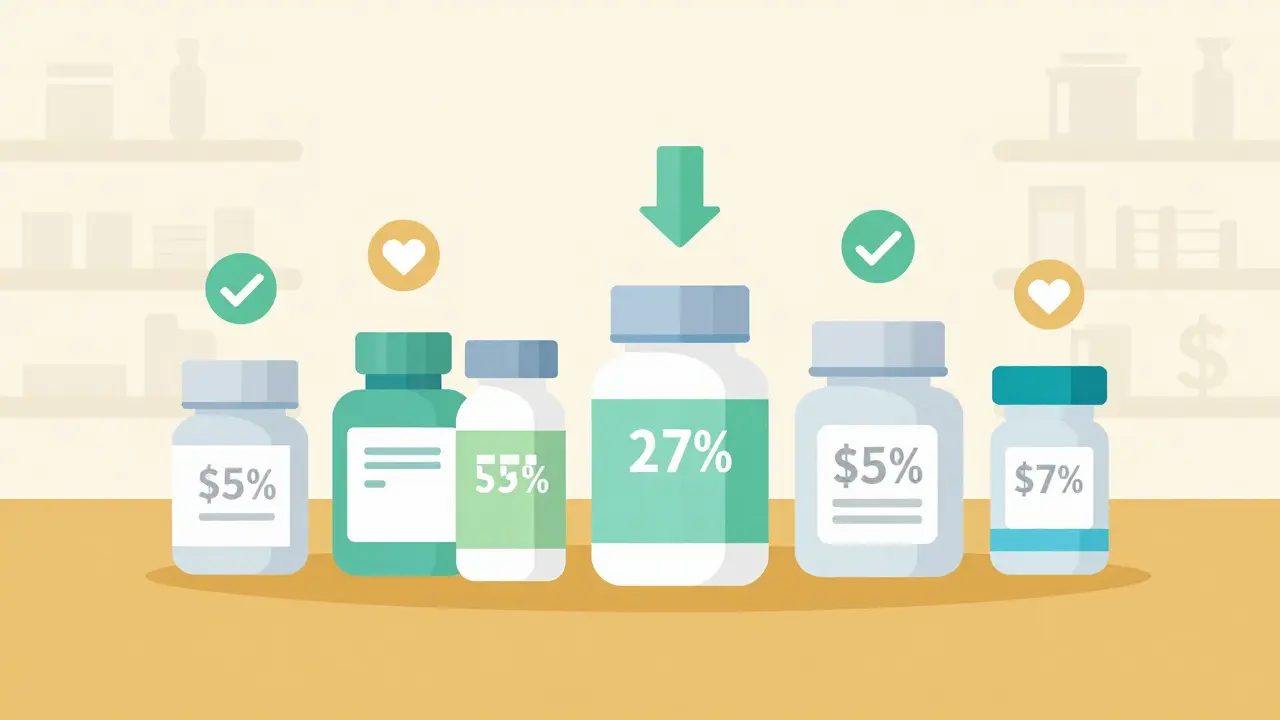
No financial tool is perfect, and these programs come with specific hurdles. First is the fragmentation of the market. You cannot walk into any pharmacy and expect the same price. A Reddit analysis of pharmacy discussions revealed users finding price differences of up to $27 for the exact same prescription between different pharmacy chains in the same zip code. This variability forces you to be a "price shopper." Consumer Reports found that nearly 70% of users had to visit multiple pharmacies or check multiple apps to find the absolute best deal.
Secondly, there is the issue of administrative burden. Pharmacy Benefit Managers (PBMs) are intermediaries that administer prescription drug benefits on behalf of health plans. Traditional PBMs try to integrate these discount cards to reduce member friction. Some large employers started integrating automatic discount pricing in 2023. However, regulations are catching up. The FTC investigated PBM practices in late 2023 regarding revenue sharing models where pharmacies pay fees to PBMs, which are then shared with card providers. This complexity can lead to opaque pricing structures.
Finally, do not mix discount cards with insurance claims unless explicitly told otherwise. Using a discount card counts toward your deductible in very few cases. Usually, it is treated as cash. It does not help you reach your annual limit faster. Always check with your insurer before swapping strategies, especially if you are trying to meet a deductible threshold.
Maximizing Your Savings Strategy
To get the most value from these programs in 2026, adopt a systematic approach. Here is a practical checklist derived from best practices observed by pharmacists:
- Check your diagnosis first: Ensure you qualify for generics. Ask your physician, "Is there a bioequivalent generic for this drug?" This opens the door to the highest discounts.
- Compare three sources: Before filling a refills, quickly scan GoodRx, Walmart, and your own insurance portal. Keep track of the winner.
- Opt for 90-day supplies: Many programs, including Walmart's, charge less per pill for a 90-day supply ($10 vs $4x3). This reduces visits and overall cost.
- Use telehealth integration: Platforms like GoodRx expanded telehealth features in 2024. If you need maintenance meds for common conditions, getting the prescription directly through the discount app can lock in the price automatically.
Keep in mind that expiration dates on digital coupons matter. Download your pass to your mobile wallet so you don't struggle with printing or connectivity issues at the counter. Consistency in checking prices is the biggest driver of long-term savings. Do not assume the price stays static; contracts change quarterly.
Can I use a discount card with my insurance?
Generally, no. You must choose one method per fill. Since insurance tracks deductible contributions, using a cash discount card usually won't count toward your insurance deductible. Only switch to a discount card if your insurance cash price is higher.
Does Medicaid accept prescription discount cards?
No. Government programs like Medicaid and Medicare Part D have strict rules against stacking private discounts on top of public benefits. Attempting to use both may be considered fraud.
Which is cheaper: GoodRx or Walmart?
It depends on the specific drug. Walmart's flat $4-$10 rate beats GoodRx for simple generics. For complex or newer generics, GoodRx might negotiate better rates at local independent pharmacies.
Do these cards expire?
The physical cards or digital codes typically last indefinitely, but pricing agreements between pharmacies and providers change constantly. You should recheck prices annually.
Are these cards free to download?
Yes, legitimate programs are free for consumers. Be wary of scams asking for upfront membership fees. Legitimate companies like GoodRx or Walmart earn revenue from pharmacy fees, not customer subscriptions.

sophia alex
April 2, 2026 AT 06:54It is ridiculous that we have to beg for discounts just to stay alive! 🇺🇸 These pharmaceutical giants are eating our savings dry while we starve! 😡 We need strong American laws to stop this bleeding! 💪 Only domestic brands care about our families! 🙄
Brian Shiroma
April 4, 2026 AT 04:43Oh wonderful, now corporations hand out coupons instead of keeping prices stable. It is amusing how they call this innovation while profit margins stay the same.
Jenna Carpenter
April 6, 2026 AT 00:29Most peopel here are completly stuped about how theses cards actully function. You dont just swipe and get cheap meds if the phamacy doesnt honor it. Why do i bother explaing anything when nobody listens proprrly?
Rob Newton
April 7, 2026 AT 07:33Generic pricing remains a scam regardless of the app you choose.
Ace Kalagui
April 8, 2026 AT 01:23Everyone really needs to look into this sooner rather than later because it helps so many people. I have seen friends struggle with bills constantly lately due to rising costs. It seems like the prices just keep going up every single year without fail. Having a backup plan is actually essential for your peace of mind right now. You cannot rely solely on insurance companies to handle everything for you always. They often change their formularies without much prior notice either which causes confusion. Discount cards help you bypass that headache entirely though and it feels great. Walking around town with multiple apps ready is smart preparation for life. I tell my family members to download the software immediately upon hearing about it. It takes less than five minutes to set up an account usually without hassle. Saving ten dollars per month adds up to a lot over a full year easily. That money could go towards rent or groceries instead of expensive prescription medications. Financial stability starts with small choices like this one specifically in your daily routine. We must prioritize our health even if it costs us nothing extra to find a deal. Please share this information with anyone who might need assistance finding care today.
Mark Zhang
April 9, 2026 AT 19:36I completely agree with this perspective and appreciate the effort shared here. Supporting each other through healthcare struggles builds stronger communities overall. Let us keep pushing for better options together.
Rachelle Z
April 10, 2026 AT 13:55Wow!!! Great job big pharma hiding this for decades!!! 😲😲😲 I am so shocked by the prices nowadays!!! 💸💸💸 Finally a lifeline after the chaos!!! 🤑🤑🤑
Branden Prunica
April 11, 2026 AT 07:05My heart races just thinking about the cost of my blood pressure meds again! 😱 It feels like I am being robbed at gunpoint sometimes. I screamed in the pharmacy aisle last week!
Hope Azzaratta-Rubyhawk
April 11, 2026 AT 09:22The utilization of these cards is mandatory for fiscal responsibility in 2026. Citizens must demand transparency and lower rates from providers consistently. Ignoring these tools leads to financial ruin.
Lawrence Rimmer
April 11, 2026 AT 13:44We chase numbers that mean nothing while suffering for survival. Money acts as a barrier to basic existence today.
simran kaur
April 12, 2026 AT 14:53The algorithms are clearly rigged to manipulate us into cash payments. There is a shadow network controlling these prices deeply. Trust no digital wallet blindly.
Aysha Hind
April 12, 2026 AT 23:14This whole scheme is a festering tumor of corporate greed disguised as help. I suspect the backend data harvesting is worse than the cost. Beautiful words, ugly reality behind the curtain.
Dipankar Das
April 13, 2026 AT 14:55These mechanisms represent a necessary evolution in consumer protection. The patient assumes greater responsibility for pricing negotiations. Adherence to protocols ensures optimal outcomes.
angel sharma
April 14, 2026 AT 23:53Empowerment begins with knowledge and taking control of your situation. You hold the keys to your own financial freedom right now. Rise above the obstacles standing in your path today. Believe in your ability to navigate these complex systems effectively. Success follows those who prepare themselves diligently beforehand. Your journey matters and deserves attention from your peers everywhere. Share the light with others walking in darkness currently. Strength grows when you face challenges head on bravely. Keep your focus sharp and your goals clear in mind. Victory belongs to the persistent ones who never give up hope.