
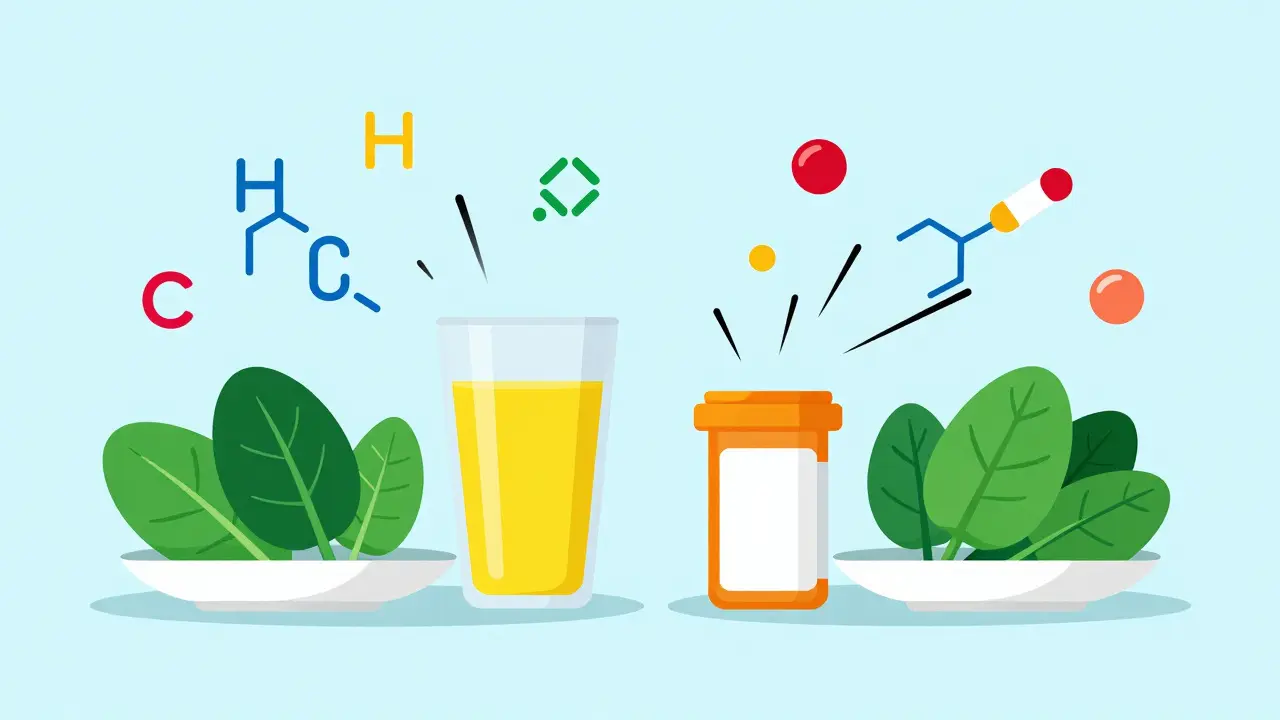
Imagine taking a pill to lower your blood pressure, but a simple glass of grapefruit juice makes that medicine ten times more potent, potentially pushing your levels into a danger zone. Or perhaps you're taking a blood thinner, and a big spinach salad unexpectedly cancels out the drug's ability to prevent a stroke. Most of us assume that if something is "natural," it can't hurt, but that's a dangerous misconception. Drug interactions is the process where food, drink, supplements, or other medicines change how a pharmaceutical drug works in your body. This can either make your medicine stop working entirely or amplify its effects to a point where it becomes toxic.
The Three Main Types of Interactions
Not all interactions happen the same way. Doctors generally break them down into three buckets based on what is causing the conflict. First, there are drug-drug interactions. This is when two different prescriptions-or a prescription and an over-the-counter med-clash. For example, combining certain painkillers with blood thinners can spike your risk of internal bleeding.
Then we have drug-food interactions. These are particularly sneaky because they involve healthy habits. You might think you're doing your body a favor by eating more greens or drinking fresh juice, but certain compounds in those foods can block your medication from entering your bloodstream or keep it there far too long. According to the American Heart Association, the enzymes in grapefruit are some of the most notorious culprits in this category.
Finally, there are drug-supplement interactions. With roughly 40% of adults using vitamins, minerals, or herbal extracts, this is a growing problem. Because supplements aren't regulated as strictly as drugs, many people don't realize that a "natural" herbal tea can be as chemically active as a prescription pill. The FDA has noted that a huge chunk of serious adverse event reports involving supplements are actually caused by these hidden interactions.
How Interactions Actually Work: The Science Simplified
To understand why this happens, you have to look at how your body processes chemicals. There are two main pathways: pharmacodynamics and pharmacokinetics.
Pharmacodynamics is all about the effect. This happens when two substances have opposite or similar goals. Imagine one drug trying to push your blood pressure down while a supplement, like yohimbine bark, tries to push it up. They fight each other, and your treatment fails. On the flip side, if two things both thin your blood-like aspirin and ginkgo biloba-they don't just add up; they can amplify each other, making it much harder for your blood to clot if you get a cut.
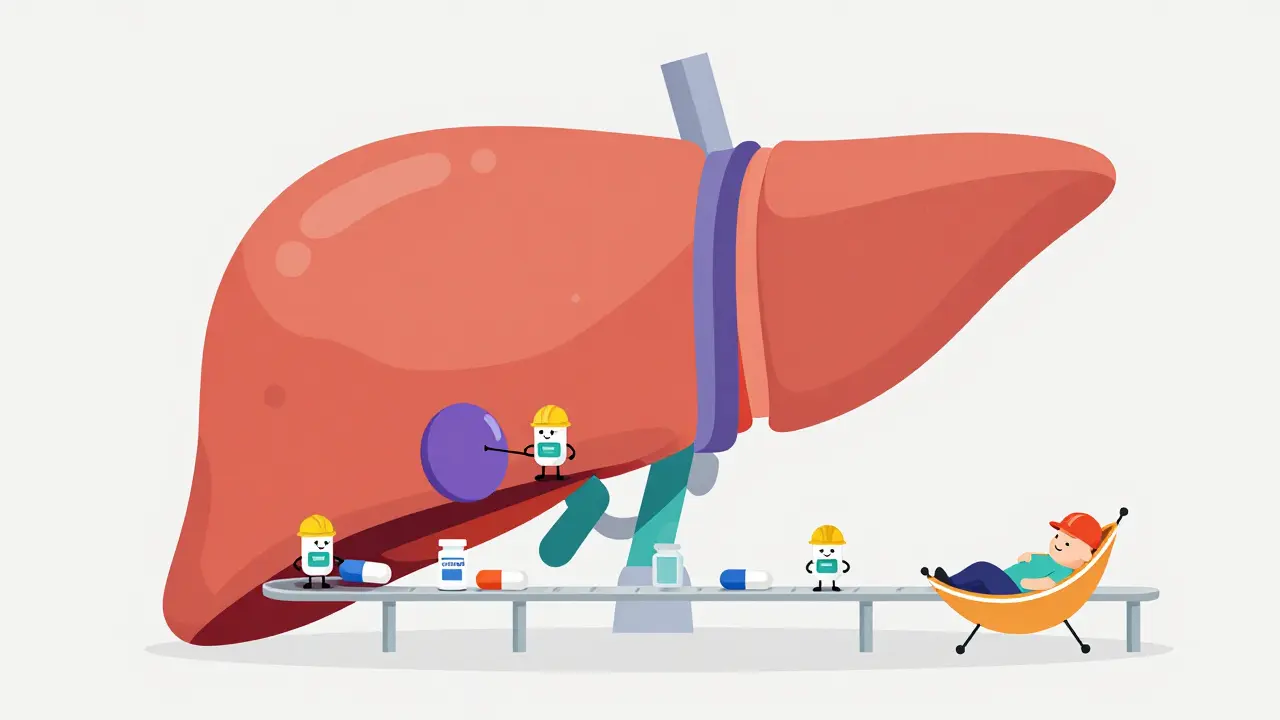
Pharmacokinetics is about the journey-how the drug is absorbed, moved, and eventually kicked out of your body. The star of the show here is the Cytochrome P450 (CYP450) enzyme system in your liver. Think of these enzymes as a cleanup crew that breaks down meds. If a supplement like St. John's wort tells the crew to work overtime, your meds get broken down too fast and disappear from your system before they can work. If grapefruit juice tells the crew to take a break, the drug builds up to dangerous levels.
| Substance A | Substance B | The Result | Potential Danger |
|---|---|---|---|
| Warfarin (Blood Thinner) | Leafy Greens (Vitamin K) | Reduced drug effectiveness | Increased risk of blood clots |
| Statins (Cholesterol) | Grapefruit Juice | Increased drug concentration | Rhabdomyolysis (muscle breakdown) |
| SSRIs (Antidepressants) | St. John's wort | Excessive serotonin build-up | Serotonin Syndrome (life-threatening) |
| Cyclosporine (Immune) | St. John's wort | Rapid drug metabolism | Organ transplant rejection |
The Danger of "Natural" Supplements
There is a common myth that natural means safe. In reality, herbal supplements can be incredibly powerful. Take Ginkgo biloba. It's often used for memory, but it interferes with platelet-activating factors. If you're already taking an antiplatelet agent or a blood thinner, adding ginkgo can increase your risk of intracranial hemorrhage (bleeding in the brain) by nearly 1.7 times. Garlic supplements do something similar; they aren't just for cooking-in high doses, they can significantly prolong bleeding time when paired with heparin or aspirin.
St. John's wort is perhaps the most dangerous common supplement because it's a "broad spectrum" interactor. It affects nearly 50% of all prescription medications. For people living with HIV, combining this herb with protease inhibitors can drop the drug's concentration by up to 80%, which essentially opens the door for viral resistance and treatment failure. Similarly, it can make oral contraceptives less effective, leading to a much higher risk of unintended pregnancy.
Even things like red yeast rice can be tricky. Since it contains naturally occurring statins, taking it alongside a prescription statin can amplify the effect too much. This increases the risk of myopathy-painful muscle weakness-by over two times.
Hidden Risks in Your Diet
You don't have to be taking supplements to run into trouble; your grocery list can be a source of risk. The relationship between Warfarin and Vitamin K is a classic example. Warfarin works by blocking Vitamin K to prevent clots. If you suddenly start eating massive amounts of kale or spinach, you're essentially feeding the fire that the medicine is trying to put out. One study showed that just 150g of cooked spinach can cut warfarin's effectiveness by 30-40% in a single day.
But the trick isn't to stop eating vegetables entirely. The goal is consistency. If you eat a similar amount of greens every day, your doctor can adjust your dose to match that baseline. The real danger comes from sudden changes-like starting a "green juice cleanse" while on medication.
Then there's cranberry juice. While often praised for bladder health, it has been linked to uncontrolled bleeding in patients on warfarin. Some reported cases saw the International Normalized Ratio (INR)-a measure of how long it takes blood to clot-shoot up above 8.0, well past the safe therapeutic range of 2.0 to 3.0.
How to Protect Yourself and Your Family
The biggest risk factor isn't the chemicals themselves-it's the communication gap. A shocking 70% of patients don't tell their doctors about the supplements they take. This leaves your healthcare provider guessing, which can lead to dangerous prescribing errors.
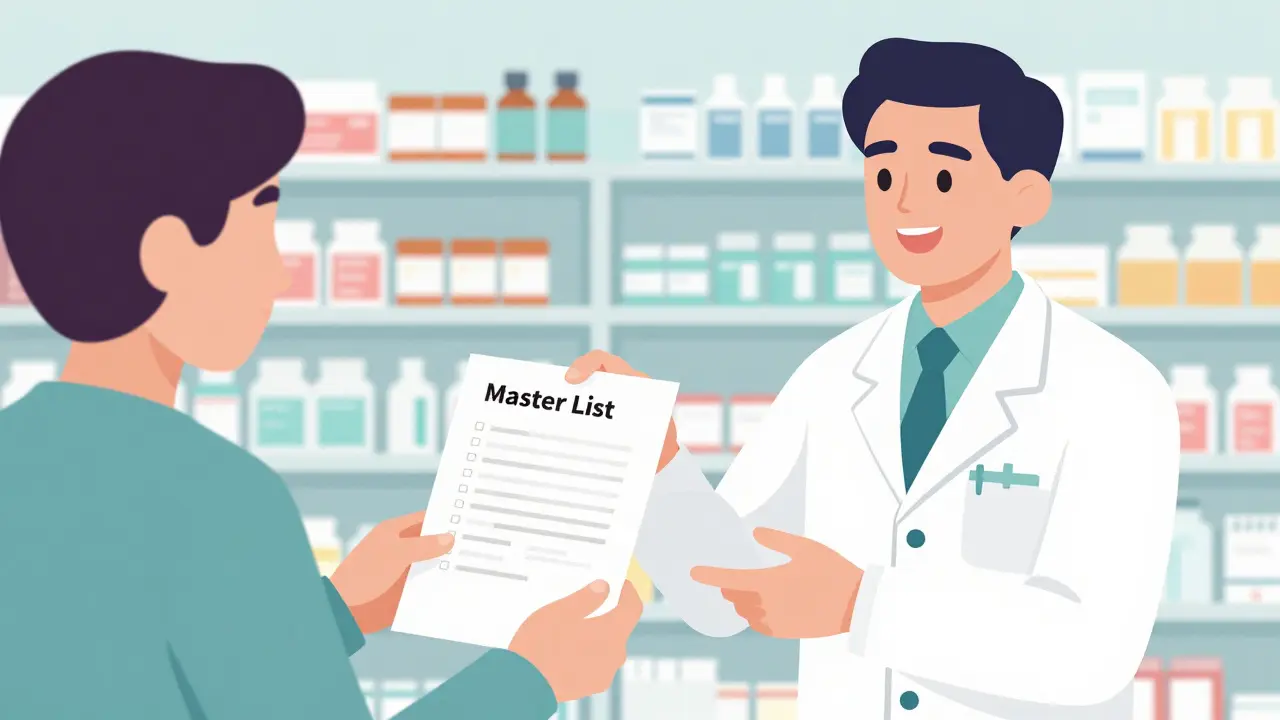
To stay safe, start by keeping a "Master List." This shouldn't just be your prescriptions. Include every single vitamin, herbal tea, and over-the-counter pain reliever you use. Bring this list to every single appointment, even if you're seeing a specialist for something unrelated. A dermatologist might prescribe a cream that interacts with a supplement your cardiologist doesn't know about.
If you're unsure about a new supplement, use a verified interaction checker. Tools like MedlinePlus or the NIH's LiverTox database provide evidence-based data on how substances interact. However, these are tools, not replacements for professional advice. Always run a new supplement by your pharmacist. Pharmacists are often the most underutilized resource in medication safety; they are trained specifically in the chemistry of these interactions and can catch errors that a general practitioner might miss.
Is it safe to take a multivitamin while on prescription medication?
Generally, yes, but it depends on the specific medication. Some minerals, like calcium or magnesium, can bind to antibiotics in your stomach and prevent them from being absorbed. Always check if your medication needs to be taken on an empty stomach or separate from supplements.
Can I just stop eating Vitamin K foods if I'm on Warfarin?
No. Completely eliminating Vitamin K is not recommended. The key is consistency. Aim for a steady daily intake (around 90-120mcg) so your doctor can calibrate your dose. Sudden spikes or drops in your intake are what cause the blood levels to become unstable.
What is Serotonin Syndrome and why is it dangerous?
Serotonin syndrome occurs when there is too much serotonin in the brain, often caused by combining SSRI antidepressants with substances like St. John's wort. Symptoms include high body temperature, muscle rigidity, and confusion. It is a medical emergency that requires immediate hospital care.
Why is grapefruit juice singled out more than other fruits?
Grapefruit contains furanocoumarins, which irreversibly block the CYP3A4 enzymes in your intestines. Because these enzymes are responsible for breaking down about 50% of all prescription drugs, blocking them can cause a massive, dangerous surge of the drug in your bloodstream.
Do over-the-counter (OTC) drugs count as interactions?
Absolutely. For example, taking an OTC NSAID (like ibuprofen) while on a prescription blood thinner can significantly increase your risk of stomach ulcers and internal bleeding. Always treat OTC drugs as "medications" when reporting them to your doctor.
Next Steps for Medication Safety
If you're currently taking a combination of prescriptions and supplements, your first step should be a "Medication Therapy Management" (MTM) review. You can request this from your pharmacist. They will go through every single item you ingest and cross-reference them with known interaction databases.
For those starting a new health regimen, follow the "One-at-a-Time" rule. If you introduce three new supplements in one week and start feeling dizzy or nauseous, you won't know which one is causing the problem or which one is interacting with your meds. Add one new item every two weeks and monitor how you feel.
Lastly, don't rely solely on supplement labels. Many labels lack interaction warnings. Be your own advocate and use primary resources like the FDA's consumer guides to verify that your "wellness" routine isn't actually undermining your health.


william wang
April 15, 2026 AT 13:32The point about consistency with Vitamin K is huge. A lot of folks think they have to just stop eating greens entirely, but staying at a steady baseline is what actually keeps the INR stable. It's all about the balance!
Anmol Garg
April 15, 2026 AT 18:15It's wild how we trust things just because they're labeled 'natural'. We tend to think of nature as a benevolent force, but chemistry doesn't care about the label-a molecule is a molecule whether it comes from a lab or a leaf. It's a good reminder to be mindful of what we put in our bodies.
Tama Weinman
April 17, 2026 AT 02:20Funny how they push the 'pharmacist' as the expert. Just follow the money. The FDA and big pharma basically decide which 'natural' things are dangerous so they can keep you dependent on the synthetic stuff. Think for yourself for once.