
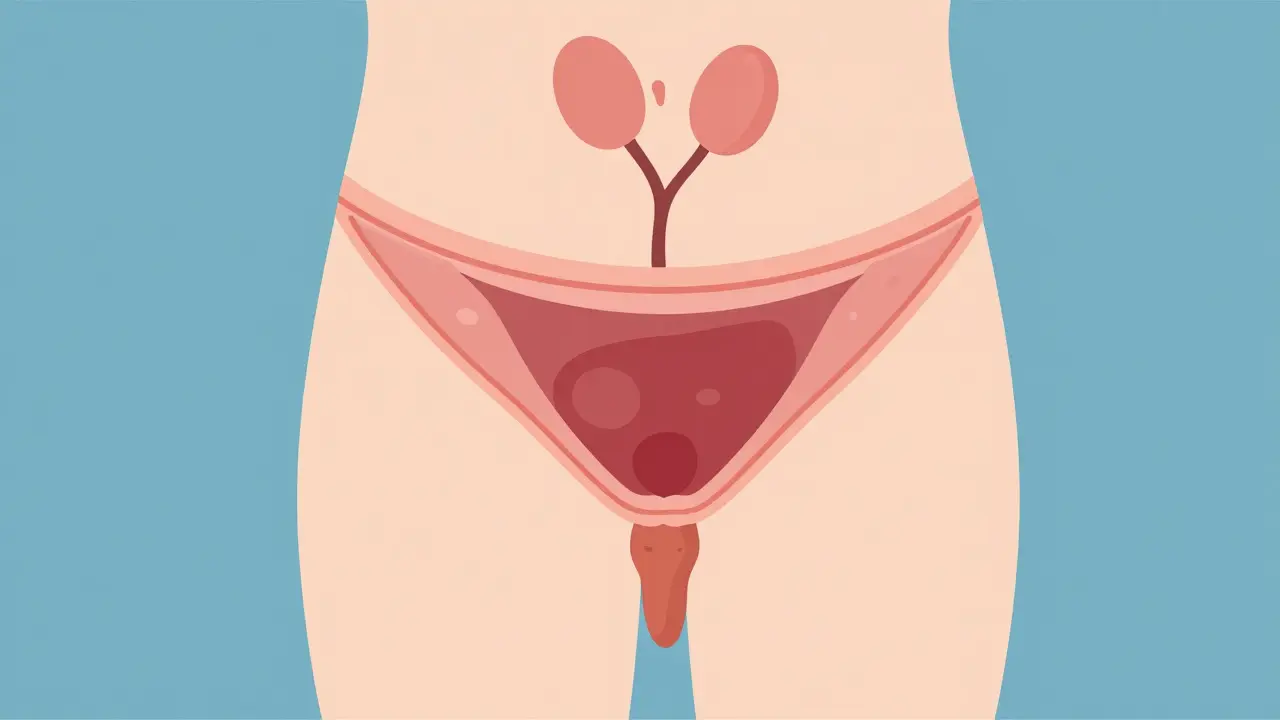
Almost three out of four people will deal with hemorrhoids at some point in their life. Yet, many wait months - sometimes years - before saying anything to a doctor. Why? Embarrassment. But here’s the truth: hemorrhoids are common, treatable, and rarely dangerous. The real risk isn’t having them - it’s ignoring them or misdiagnosing them as something else.
What Exactly Are Hemorrhoids?
Hemorrhoids aren’t a disease. They’re normal blood vessels in your rectum and anus that help control stool passage. Think of them like tiny cushions. When they swell up due to pressure, they become problematic. That’s when you feel pain, itching, or notice blood on the toilet paper. The key difference between internal and external hemorrhoids comes down to location - and that’s what determines your symptoms. Internal hemorrhoids form inside the rectum, above a line called the dentate line. This area has no pain nerves. So even if they swell, you won’t feel pain - unless they prolapse, or push out through the anus. That’s when things change. External hemorrhoids form under the skin around the anus. This area is packed with pain-sensing nerves. So even a small swelling here can feel like a sharp, throbbing lump. And if a blood clot forms inside - called a thrombosed hemorrhoid - the pain can be intense, sudden, and make sitting unbearable.Internal vs. External: The Symptom Split
You can’t always see internal hemorrhoids. But you’ll know they’re there if you notice bright red blood after a bowel movement. It might be on the toilet paper, in the bowl, or streaking your stool. You might also feel like you haven’t fully emptied your bowels - even if you just went. That’s because the swollen tissue can block the sensation. External hemorrhoids are more obvious. You might feel a soft, skin-colored lump near your anus. It can itch, burn, or ache. If it’s thrombosed, it turns dark purple or blue, feels hard like a marble, and hurts badly. The pain often peaks within 48 hours and can last a week or more. Here’s the catch: you can have both at once. Many people do. That’s why symptoms can be confusing. One person might think their bleeding is from internal hemorrhoids, but the burning pain? That’s external. Mixing them up delays the right treatment.What Causes Them to Flare Up?
It’s not just ‘sitting too long’ - though that helps. The real triggers are anything that increases pressure on the veins in your lower rectum. - Chronic constipation or straining during bowel movements- Diarrhea that lasts too long
- Pregnancy - especially in the third trimester
- Obesity
- Lifting heavy weights regularly
- Sitting for hours on the toilet scrolling your phone
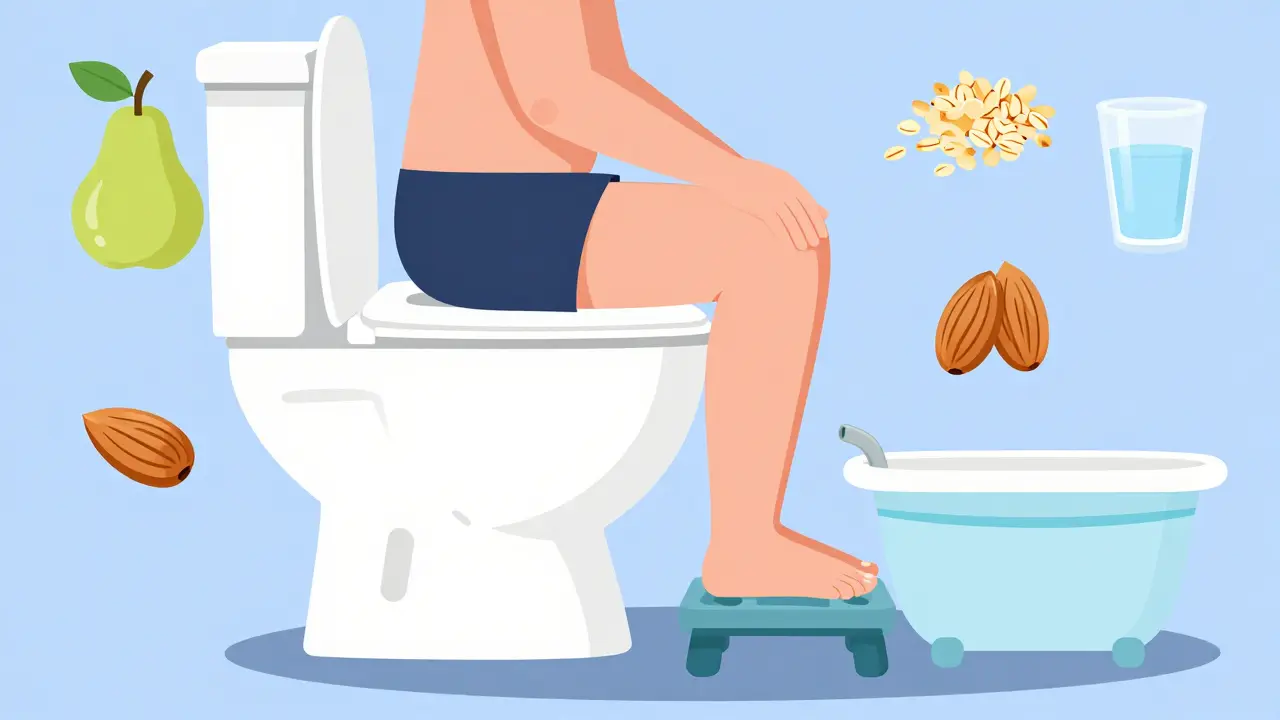
The last one is bigger than you think. Studies show that spending more than five minutes on the toilet increases pressure on rectal veins by about 30%. Using a small footstool to raise your knees above your hips - like a squatting position - can reduce that pressure significantly.
When to Worry: Red Flags Beyond Hemorrhoids
Not every spot of blood means hemorrhoids. Rectal bleeding can also signal colorectal cancer, inflammatory bowel disease, or anal fissures. Anal fissures - small tears in the anal lining - cause sharp, tearing pain during bowel movements. They often come with bleeding too, but you won’t see a lump. Hemorrhoids cause more of a dull ache or burning, with swelling or itching. If you notice: - Blood that’s dark red or black- Unexplained weight loss
- Changes in bowel habits lasting more than a few weeks
- Dizziness or fatigue from possible blood loss
…you need to see a doctor. Don’t assume it’s just hemorrhoids.
Treatment: From Home Fixes to Surgery
For mild cases, you can often fix things without medication - just by changing how you live.- Eat more fiber: Aim for 25-30 grams daily. That’s about 3 cups of cooked vegetables, a bowl of oats, a pear, and a handful of almonds. Fiber softens stool so you don’t have to strain.
- Drink enough water: At least 8-10 glasses a day. Fiber without water makes constipation worse.
- Take sitz baths: Sit in warm (not hot) water for 15-20 minutes, two to three times a day. It reduces swelling and soothes irritation.
- Avoid prolonged sitting: Get up every 30 minutes if you work at a desk. Use a cushion if you’re driving or sitting for long periods.
- Don’t delay bowel movements: Ignoring the urge makes straining worse.
Minimally Invasive Procedures for Internal Hemorrhoids
If lifestyle changes don’t help, doctors have tools that work without major surgery. - Rubber band ligation: A tiny rubber band is placed around the base of the hemorrhoid. It cuts off blood flow. The tissue shrinks and falls off in a few days. It’s 90% effective for Grades I-III. You might feel pressure or mild cramping for 24-48 hours after.Thrombosed External Hemorrhoids: The Emergency Fix
If you have a sudden, painful, blue or purple lump, you might need a simple procedure within 72 hours. A doctor makes a tiny cut in the lump and removes the clot. It takes five minutes. The pain drops dramatically - often within hours. Waiting longer than three days makes the clot harder to remove and increases swelling. Don’t try to pop it yourself. That can cause infection or worse bleeding.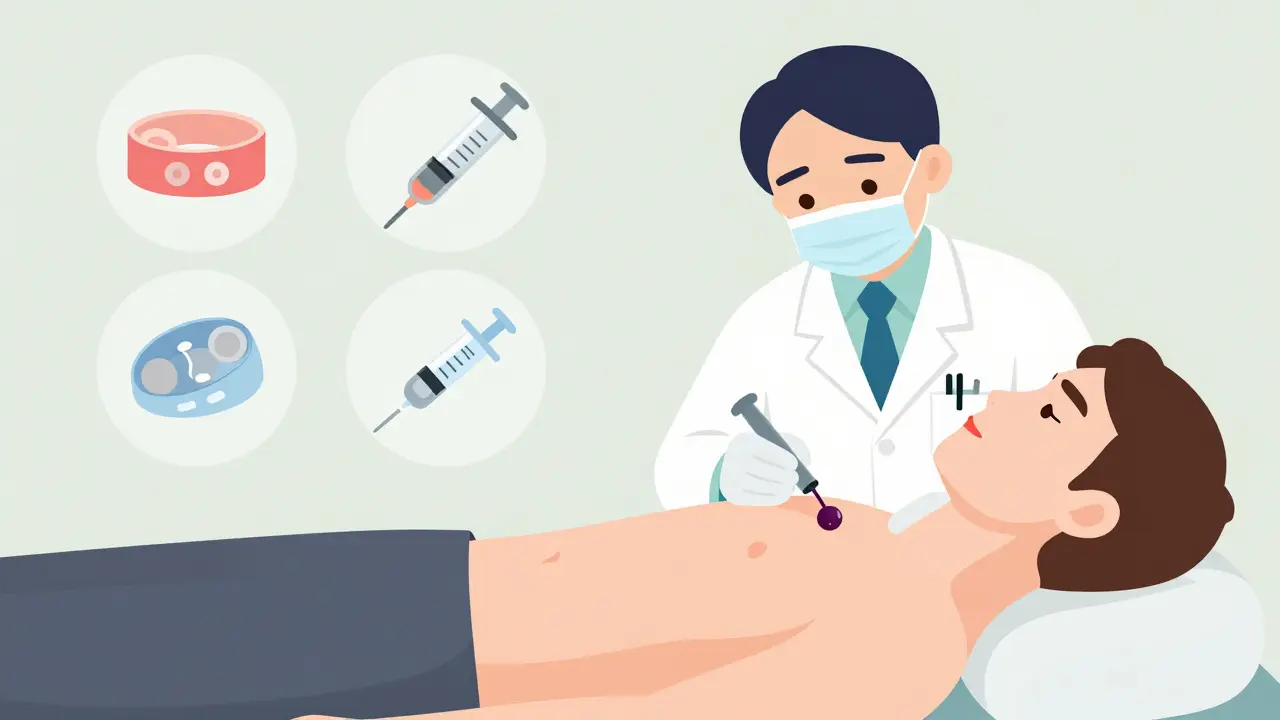
Surgery: When Everything Else Fails
For severe, recurrent, or Grade IV internal hemorrhoids, or when external hemorrhoids keep coming back, surgery may be the answer. - Hemorrhoidectomy: The hemorrhoid is completely cut out. It’s the most effective option - 95% success rate. But recovery takes 2-4 weeks. Pain is significant for the first week, and you’ll need prescription painkillers.Prevention Is the Real Cure
The biggest mistake people make? Treating the symptom, not the cause. Studies show that if you maintain high fiber intake, stay hydrated, and avoid straining, recurrence rates drop from 50% to just 5-10%. That’s not magic. That’s basic biology. Pregnant women are at higher risk - up to 35% develop hemorrhoids. The fix? Pelvic floor exercises, sleeping on your left side, and avoiding long periods standing or sitting. And skip the online ‘miracle cures.’ Those gels, teas, and supplements promising instant relief? They’re not backed by science. Stick to what’s proven: fiber, water, movement, and medical advice.What Comes Next?
If you’ve been ignoring symptoms because you thought they’d go away on their own - stop. Hemorrhoids don’t vanish. They get worse. See a doctor if:- Bleeding lasts more than a week
- Pain doesn’t improve with home care
- You feel a lump that won’t go back in
- You’re dizzy or weak - signs of blood loss
Can internal hemorrhoids turn into external ones?
No, internal and external hemorrhoids are separate based on location - above or below the dentate line. But an internal hemorrhoid can prolapse and hang outside the anus, which might look like an external one. It’s still the same tissue, just pushed out. That’s called a prolapsed hemorrhoid, not a new type.
Do hemorrhoids cause cancer?
No, hemorrhoids do not cause cancer. But rectal bleeding - a common symptom of hemorrhoids - can also be a sign of colorectal cancer. That’s why any new or persistent bleeding needs to be checked by a doctor. Never assume bleeding is harmless just because you think you have hemorrhoids.
Is it safe to use hemorrhoid creams long-term?
Most over-the-counter creams are safe for short-term use - up to a week. Long-term use of hydrocortisone can thin the skin around the anus, making it more sensitive and prone to irritation. If symptoms last longer than a week, see a doctor. Creams treat symptoms, not the root cause.
Can I exercise with hemorrhoids?
Yes - but avoid heavy lifting or straining. Walking, swimming, and cycling are great. They improve circulation and prevent constipation. Weightlifting or intense core workouts can increase pressure and make hemorrhoids worse. If you lift weights, focus on breathing properly - don’t hold your breath.
Why do hemorrhoids get worse during pregnancy?
The growing uterus puts pressure on pelvic veins, slowing blood flow. Hormonal changes also relax vein walls, making them swell more easily. Constipation, common in pregnancy, adds to the problem. Most cases improve after delivery, but managing fiber, water, and posture helps during pregnancy.
Will hemorrhoids go away on their own?
Small, mild hemorrhoids can shrink with home care in a few days. But the swollen veins don’t disappear completely. Without fixing the root causes - like poor diet or straining - they’ll likely return. Think of it like a sprained ankle: rest helps, but if you keep running on it, it won’t heal.
Are hemorrhoids more common in older adults?
Yes. As we age, the tissues supporting the veins in the rectum weaken. That makes prolapse and swelling more likely. But hemorrhoids aren’t just an ‘old person’ issue - they’re common in people in their 20s and 30s too, especially with poor diet or chronic constipation.

Meenal Khurana
February 3, 2026 AT 06:48Just drank a glass of water. Done.
Amit Jain
February 3, 2026 AT 16:13Simple truth: eat more veggies, drink water, don't sit on the toilet like it's Netflix. I've seen guys in Delhi fix this with just banana, oats, and walking 30 mins a day. No creams needed. Your body's not broken - you're just ignoring basics.
Kunal Kaushik
February 4, 2026 AT 11:09Been there. Thrombosed one felt like a walnut had taken up residence in my butt. Doc did the quick cut thing - 5 minutes, instant relief. Wish I’d gone sooner. Don’t be a hero. Just go.
Justin Fauth
February 6, 2026 AT 04:16Let me get this straight - you’re telling me Americans are too lazy to squat? We invented the toilet seat but can’t bend our knees? This country’s got hemorrhoids because we forgot how to poop like a human. Footstools? Please. Just stand up and do it right. Also, stop scrolling. Your colon isn’t a TikTok feed.
Joseph Cooksey
February 7, 2026 AT 11:36One must, with the utmost gravity and scholarly detachment, acknowledge the profound anatomical and physiological implications of venous engorgement in the anorectal region - a condition, I might add, that has been documented since the time of Hippocrates, though modern society, in its infinite wisdom, has chosen to pathologize the natural function of the human body through the lens of convenience culture and digital distraction. The notion that one must ‘increase fiber intake’ is, frankly, a Band-Aid solution to a systemic failure of civilizational discipline - one that has been exacerbated by the commodification of dietary advice and the erosion of ancestral eating patterns. I, for one, have not consumed a single processed grain since 2012, and my rectal health is the envy of my peers - though, naturally, they are too embarrassed to ask.
Janice Williams
February 8, 2026 AT 18:16Actually, the entire premise is flawed. Hemorrhoids are not ‘normal’ - they’re a sign your body is rejecting modern life. You don’t need fiber, you need to stop eating processed food, stop sitting, stop using phones, and start living in nature. Also, surgery is a scam. I cured mine by fasting for 14 days and meditating in a cold river. You’re welcome.
Lorena Druetta
February 10, 2026 AT 14:10I want to thank you for writing this with such compassion and clarity. So many people suffer in silence, believing they are alone or broken. This piece doesn’t just inform - it holds space. Please keep sharing truths like this. The world needs more gentle, factual voices.
Keith Harris
February 12, 2026 AT 04:15Oh please. You’re just feeding the hemorrhoid industrial complex. Rubber bands? Sclerotherapy? Please. The real cure is a 3000-year-old Ayurvedic paste made from goat dung and turmeric. I’ve been using it since 2015. No doctor, no meds, no ‘footstool.’ Just pure ancestral wisdom. You think your ‘studies’ matter? I’ve got 17 years of live testimonials and a YouTube channel with 2 million views. You’re all just scared of real solutions.
Daz Leonheart
February 13, 2026 AT 09:58Just wanted to say I’ve been doing the fiber and water thing for 3 months now. No more burning. No more panic before pooping. I still get the occasional itch, but it’s manageable. I used to think this was just ‘one of those things’ you live with. Turns out, you don’t have to. Small changes. Big difference. Keep going.
Coy Huffman
February 14, 2026 AT 20:31It’s funny how we treat our bodies like machines you can ignore until they scream. Hemorrhoids are just the body’s way of whispering: ‘Hey, you’re not listening.’ Maybe the real issue isn’t the veins - it’s how disconnected we are from our own biology. We sit all day, eat like robots, and then get mad when our insides revolt. Maybe we need to stop treating symptoms and start asking: why is this happening? Not just to my butt… but to my life?