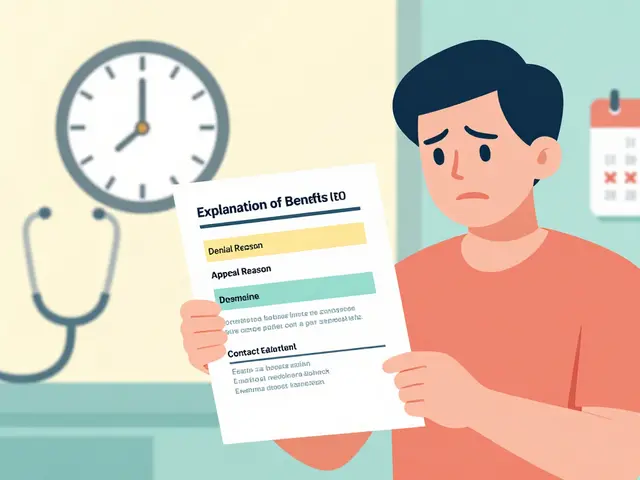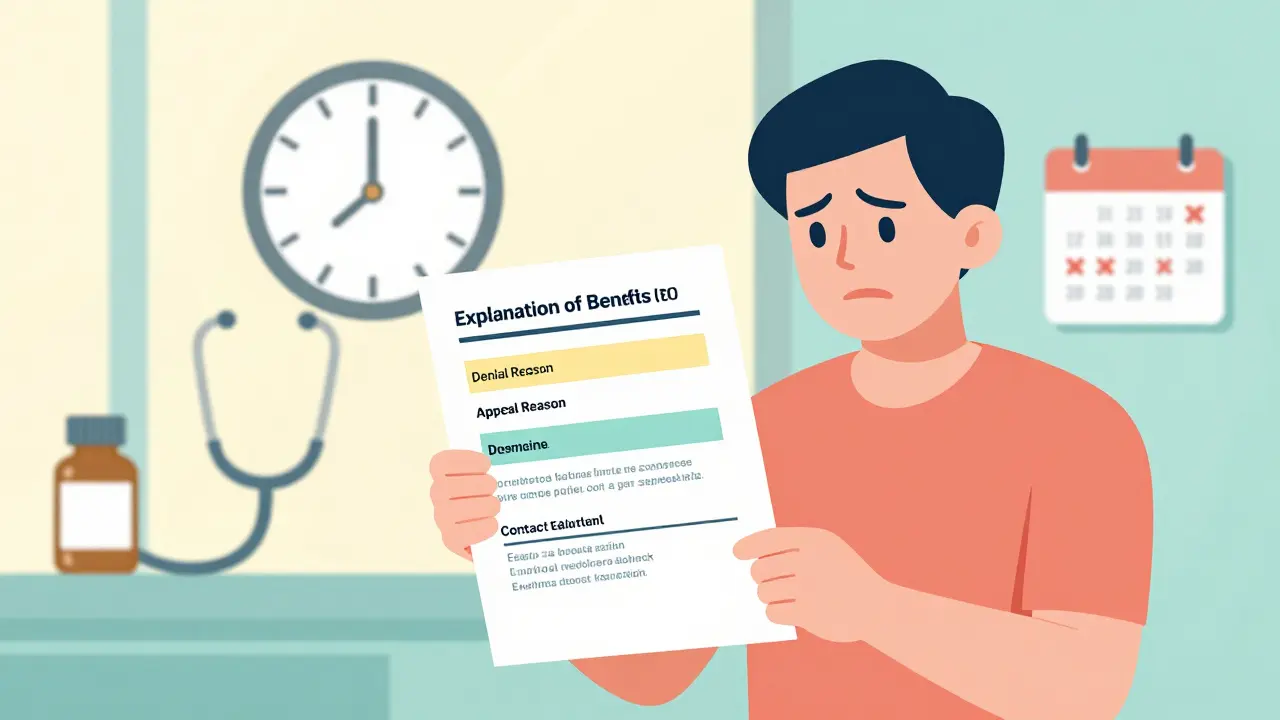
When your insurance company denies your prescription for a brand-name drug and forces you to switch to a generic - even when your doctor says it won’t work for you - it’s not just frustrating. It can be dangerous. You’re not alone. In 2023, nearly 1 in 5 prescription drug requests were initially denied by insurers, and over 70% of those denials were overturned once patients appealed. The system is broken, but you can fix it - if you know how.
Why Your Insurance Wants You to Switch to Generic
Insurance companies don’t target you personally. They’re following a cost-control playbook. Generic drugs cost 80-90% less than brand-name versions. That’s why they push them first. But not all generics are equal. For some conditions - like epilepsy, thyroid disorders, or autoimmune diseases - even tiny differences in inactive ingredients can cause serious side effects or make the drug ineffective. Your body may react differently to a generic version made by a different manufacturer. That’s not speculation. It’s documented in clinical guidelines from the American College of Physicians and the Epilepsy Foundation.Step 1: Read Your Explanation of Benefits (EOB)
The first thing you need is your EOB - the document your insurer sends after denying your claim. It’s not a bill. It’s your roadmap. Look for these three things:- The exact reason for denial: “Step therapy required,” “Generic substitution mandatory,” or “Not medically necessary.”
- The deadline to appeal: Usually 180 days for commercial plans, 120 days for Medicare Part D.
- How to file: Phone number, online portal, or mailing address.
Step 2: Get a Letter of Medical Necessity From Your Doctor
This is the single most important step. Without it, your appeal fails 9 out of 10 times. Your doctor doesn’t need to write a novel - just three clear points:- Why the generic won’t work: “Patient experienced severe nausea and dizziness with generic levothyroxine. Switched back to brand, symptoms resolved.”
- What failed before: “Patient tried three other generics over 8 months. All resulted in uncontrolled seizures.”
- What guidelines support this: “Per American Thyroid Association Guidelines 2023, brand-name levothyroxine is recommended for patients with prior adverse reactions.”
Step 3: File the Internal Appeal
Now, submit your appeal. Use the method your insurer requires - online, mail, or fax. Don’t just call. Paper trail matters. Include:- Your name, date of birth, insurance ID
- Date of denial
- Drug name and dosage
- Copy of the doctor’s letter
- Any lab results or prior treatment records

Step 4: Push for a Peer-to-Peer Review
This is where most appeals win. If your doctor calls the insurance company’s medical director directly, the approval rate jumps to over 75%. Most insurers have this option built into their process. Ask your doctor’s office to request a “peer-to-peer review.” That means your doctor talks to a doctor employed by the insurance company. No forms. No waiting. Just two professionals discussing your case. Dr. Scott Glovsky, a healthcare attorney who handles insurance disputes, says: “The peer-to-peer call is the most effective tool we have. It bypasses the bureaucracy and gets to the clinical truth.”Step 5: If Denied Again, Go External
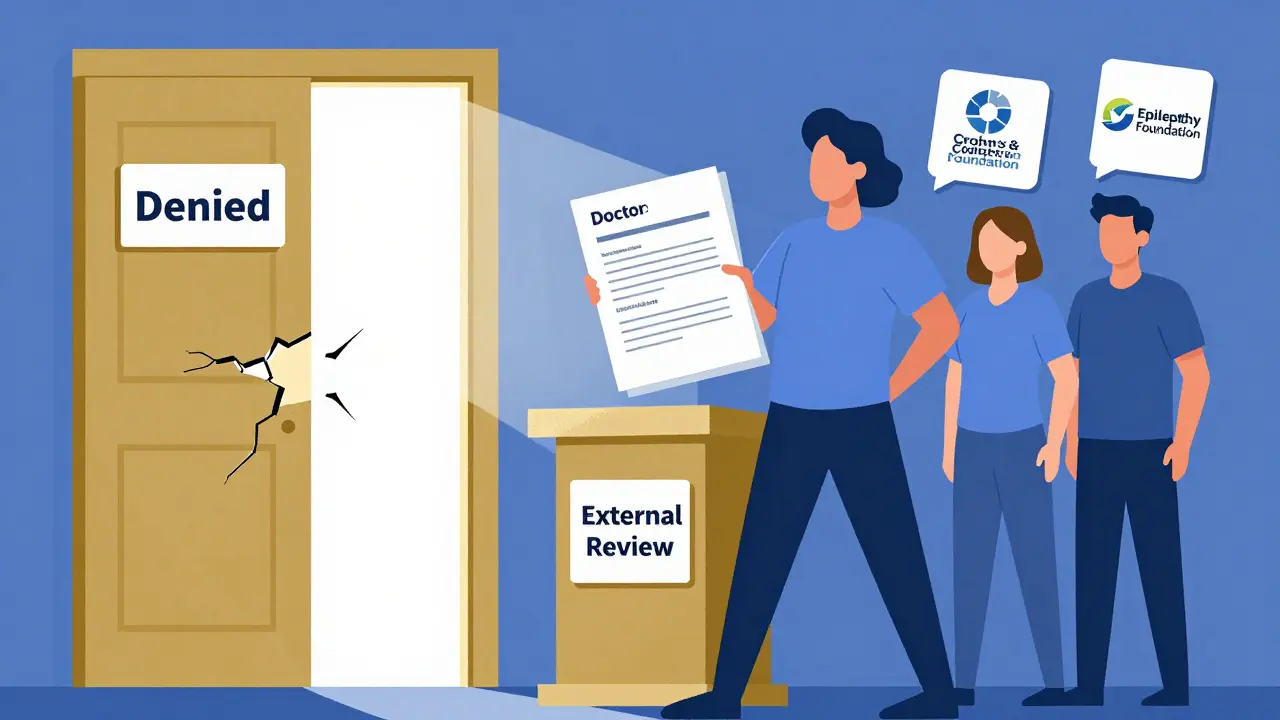
If your insurer says no again, you’re not out of options. You can request an external review - an independent third party reviews your case. This is mandatory under federal law. For commercial insurance: Contact your state’s insurance department. In California, the Department of Insurance resolves 92% of formal complaints within 30 days. In New York, they require peer reviews within 72 hours. For Medicare Part D: You move to Level 2 - Independent Review Entity. This level has the highest success rate: 63.2% of appeals get overturned here. You have 60 days from the internal denial to file for external review. Don’t miss it.What Works - And What Doesn’t
Successful appeals share common traits:- Doctor’s letter cites specific clinical guidelines (78% success rate)
- Documentation of at least two failed alternatives (83% of approved cases)
- Expedited request marked correctly (only 41% of failed urgent appeals had proper labeling)
- No doctor’s letter
- Wrong form used
- Missed deadline
- Didn’t request peer review
Real Cases That Won
- A Type 1 diabetic in Texas appealed denial of semaglutide after experiencing five episodes of severe hypoglycemia on cheaper alternatives. Submitted lab logs and endocrinologist’s note citing ADA guidelines. Approved in 11 days. - A patient with rheumatoid arthritis in Florida had her brand-name biologic denied because the insurer said “generic equivalent available.” There isn’t one. She submitted a letter from her rheumatologist explaining no biosimilar existed. Approved on first appeal. - A teenager with epilepsy in California had seizures return after switching to a generic levetiracetam. His neurologist provided EEG results showing seizure spikes. Insurer reversed decision after peer review.What to Do If You’re Stuck
You don’t have to fight alone.- State Insurance Commissioner: Call or file a complaint. They can pressure insurers to act. Average response time: 7.2 business days.
- Patient Advocate Foundation: Free help with appeal forms and doctor letter templates.
- Nonprofits: The Crohn’s & Colitis Foundation, American Diabetes Association, and Epilepsy Foundation all have dedicated appeal support teams.
Future Changes Coming
The system is slowly changing. In 2024, new rules require insurers to review step therapy exceptions within 48 hours if clinical documentation is provided. Medicare is cutting standard review times from 7 days to 3 for urgent cases. Digital platforms are reducing delays - 62% of doctors say electronic prior auth systems have improved approval rates. But until then, the system still relies on you - and your doctor - to speak up.Can I appeal if I’m on Medicare Part D?
Yes. Medicare Part D has a five-step appeal process. Start with a Coverage Determination Request form from your doctor. If denied, move to Level 2 - Independent Review Entity - which overturns 63% of cases. You have 60 days from denial to file each level. Don’t skip steps.
How long does an insurance appeal take?
Standard appeals take 30-60 days. Expedited appeals - for urgent medical needs - must be decided in 4 business days. External reviews take 30-45 days. Most successful appeals are resolved within 6 weeks if you file correctly and request a peer-to-peer review.
What if my doctor won’t help me appeal?
Ask if they can complete a simple form instead of writing a letter. Many insurers provide pre-printed forms for prior authorization exceptions. If your doctor refuses, contact your state’s medical society or a patient advocacy group. They can often intervene or connect you with another provider who will help.
Can I switch insurers if my drug keeps getting denied?
Only during open enrollment or if you qualify for a Special Enrollment Period - like losing coverage or moving. Don’t wait. Start the appeal process now. Many insurers will reverse denials once you show proper documentation. Switching is risky and often not faster.
Do I need to pay for the medication while waiting for my appeal?
If you’re already taking the drug, you can ask your pharmacy to hold your prescription while you appeal. Some drug manufacturers offer patient assistance programs that provide free or discounted medication during the appeal process. Contact the manufacturer directly - companies like AbbVie, Novo Nordisk, and Roche have programs for this.
Is there a limit to how many times I can appeal?
No. You can appeal at every level - internal, external, and even to your state insurance commissioner. But each level has deadlines. Missing one ends the process. Keep track of dates. Use a calendar or app to set reminders.