
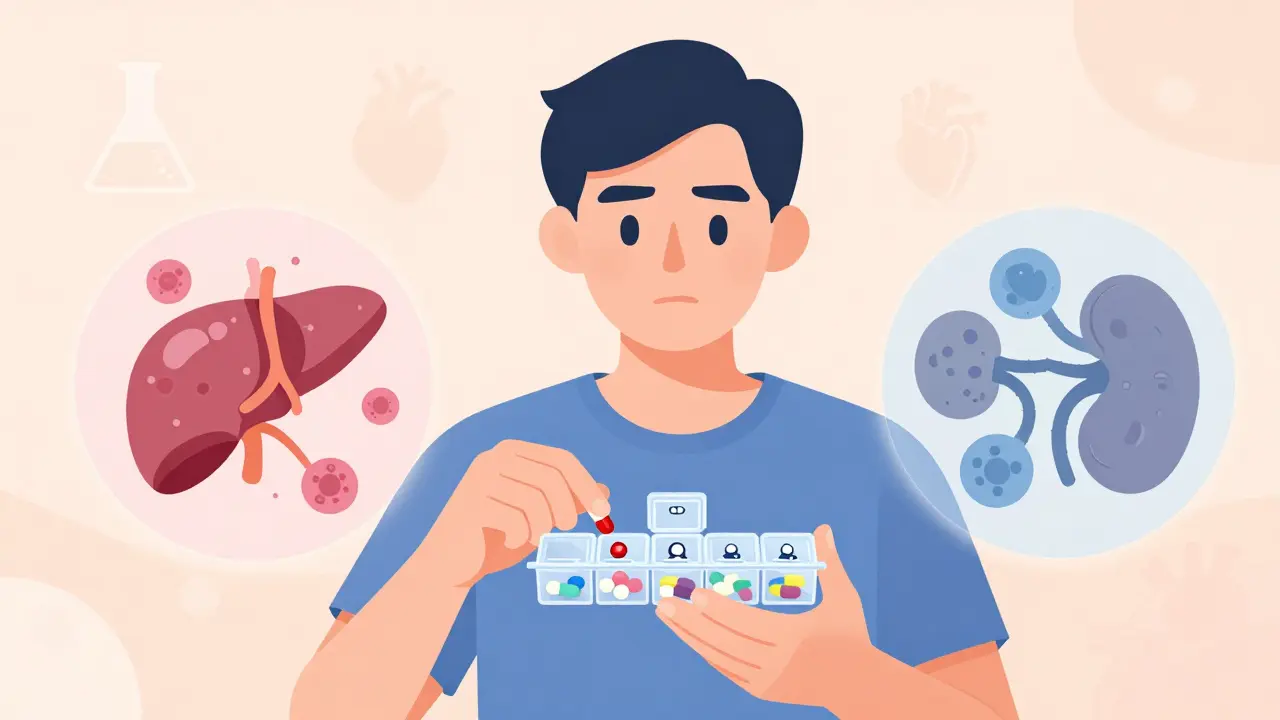
What Immunosuppressants Do - and Why You Can’t Skip Them
After an organ transplant, your body sees the new organ as an invader. It’s not being ungrateful - it’s just doing what its immune system was designed to do: fight anything foreign. That’s why transplant recipients need immunosuppressant drugs - to quietly turn down the immune response so the body doesn’t reject the kidney, liver, heart, or lung. Without these medications, most transplants fail within weeks. But these drugs don’t just stop rejection. They also open the door to a long list of side effects and dangerous drug interactions that can change your life.
The Big Three: How Transplant Drugs Work
Most transplant patients take a combination of three drugs, sometimes more. Each targets a different part of the immune system.
- Calcineurin inhibitors - Tacrolimus (Prograf) and cyclosporine (Neoral) block T-cells from activating. Tacrolimus is now used in 92% of U.S. kidney transplants because it works better than cyclosporine. But it’s also more likely to cause diabetes and tremors.
- Antimetabolites - Mycophenolate mofetil (CellCept) and azathioprine (Imuran) stop immune cells from multiplying. Mycophenolate is preferred because it’s more effective, but it causes diarrhea in up to half of users.
- Corticosteroids - Prednisone reduces inflammation across the body. It’s powerful, but it’s also the main reason people gain weight, develop osteoporosis, or get a moon face.
Some patients get mTOR inhibitors like sirolimus (Rapamune) instead - these are less toxic to the kidneys but can cause mouth sores and high cholesterol. The choice isn’t one-size-fits-all. It’s based on your organ, your age, your other health issues, and how your body reacts.
Drug Interactions: A Hidden Danger
Immunosuppressants, especially tacrolimus and cyclosporine, are metabolized by a liver enzyme called CYP3A4. That means almost anything that affects this enzyme can change how much drug is in your blood - and that’s dangerous.
- Antifungals like fluconazole can boost tacrolimus levels by up to 200%. That could mean kidney damage or seizures.
- Rifampin, used for tuberculosis, can slash tacrolimus levels by 90%. That raises your risk of rejection.
- Common OTC painkillers like ibuprofen can hurt your kidneys when mixed with these drugs.
- St. John’s wort, grapefruit juice, and even some antibiotics can interfere.
There are over 100 medications and supplements that can interact. That’s why transplant centers require you to list every pill, herb, or vitamin you take - even if you think it’s harmless. Many patients don’t realize that a simple cold medicine can be life-threatening.
Side Effects That Change Daily Life
The side effects aren’t just numbers on a lab report. They’re real, daily struggles.
- Nephrotoxicity - Up to 40% of kidney transplant patients develop chronic kidney damage from calcineurin inhibitors. Over time, this can mean needing dialysis again.
- New-onset diabetes - 20-30% of patients develop diabetes after transplant, mostly from tacrolimus. That means insulin, diet changes, and constant blood sugar checks.
- Weight gain and moon face - Steroids cause fat to collect in the face, neck, and belly. One patient described it as, “I looked in the mirror and didn’t recognize myself.”
- High blood pressure and cholesterol - 78% have hypertension. 62% have high cholesterol. Both increase heart disease risk - the leading cause of death after transplant.
- Infections - Your immune system is suppressed. That means colds last longer, flu hits harder, and even a small cut can turn into a serious infection. Fungal infections like thrush are common.
- Cancer risk - Skin cancer is 100 times more common. Lung, liver, and bowel cancers also rise. One study found 23% of liver transplant recipients develop non-melanoma skin cancer.
- Mental health - Fatigue, sleep problems, and “steroid rage” are widespread. On Reddit, transplant patients describe mood swings, depression, and anxiety as constant companions.
One patient wrote: “I’m alive because of these drugs. But some days, I feel like I’m just surviving - not living.”

Monitoring: The Lifeline Between Life and Rejection
You can’t guess if your drug levels are right. You need blood tests.
- Tacrolimus levels are checked twice a week at first, then weekly for months, then monthly.
- Complete blood counts track for low white blood cells (from mycophenolate).
- Lipid panels and glucose tests catch cholesterol and diabetes early.
- Biannual kidney ultrasounds and occasional biopsies check for hidden damage.
Missing a test can mean missing a warning sign. One study showed that patients who skipped monitoring were 3 times more likely to lose their graft. Transplant centers often require you to live within 2 hours of the hospital - not for convenience, but because emergencies happen fast.
Adherence: The Most Critical Factor
Patients take 8 to 12 pills a day, at exact times. Some need to take tacrolimus two hours before or after a meal. Miss a dose? You risk rejection. Take too much? You risk toxicity.
One in four patients struggle to keep up with the schedule. That’s why many use electronic pill dispensers. In one clinic, adherence jumped from 72% to 89% with these devices. But even then, 22% of late graft failures are due to non-adherence. The problem isn’t forgetfulness - it’s complexity. And exhaustion. And fear.
“I take my pills,” one patient said. “But some days, I just want to throw them all away.”
What’s Changing - And What’s Coming
The field is evolving. Steroid-free protocols are now standard for low-risk patients. Early withdrawal reduces weight gain and bone loss by 35-40%. New drugs like voclosporin (Lupkynis) are designed to be less toxic to the kidneys. Belatacept, a newer drug, lowers heart disease and cancer risk - but it causes more early rejection.
The biggest hope? Immune tolerance. In a 2023 study, 15% of kidney transplant patients stopped all immunosuppressants after receiving regulatory T-cell therapy. Their bodies accepted the organ without drugs. It’s still experimental, but it’s proof that a future without lifelong pills is possible.
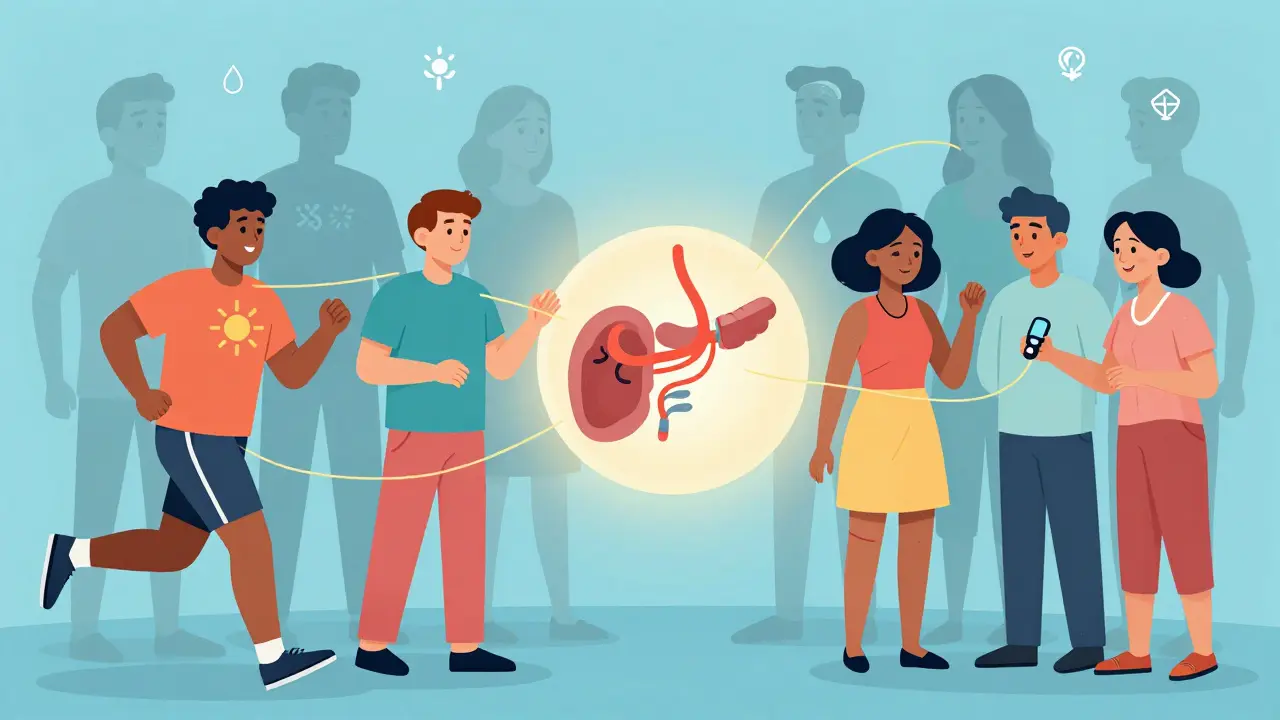
What You Can Do Right Now
- Keep a printed list of every medication and supplement - and update it every time something changes.
- Never start a new drug, herb, or vitamin without checking with your transplant team.
- Use a pill organizer with alarms. Don’t rely on memory.
- Report fever above 100.4°F immediately. Don’t wait.
- Wear sunscreen daily. Skin cancer doesn’t wait.
- Ask about steroid-sparing plans if you’re struggling with weight or mood.
- Join a support group. You’re not alone. One in five patients say isolation is worse than the side effects.
Living With the Balance
Transplant isn’t a cure. It’s a trade-off. You gain life - but you lose some freedom. You trade the risk of dying from organ failure for the daily burden of drugs, tests, and fear.
But it’s a trade-off millions have made - and lived to tell about. With careful management, many transplant recipients live 20, 30, even 40 years after surgery. The key isn’t perfection. It’s awareness. Communication. And never giving up on the conversation with your care team.
Can I stop taking immunosuppressants if I feel fine?
No. Even if you feel great, stopping immunosuppressants almost always leads to organ rejection. The immune system doesn’t “get used to” the transplant. Without drugs, your body will attack the new organ - often without warning. Rejection can happen months or years later, and it’s usually irreversible. Lifelong medication is the standard for nearly all transplant recipients.
Why do I need blood tests so often?
Immunosuppressants have a very narrow safe range. Too little, and your body rejects the organ. Too much, and you risk kidney damage, diabetes, or even neurological problems. Blood tests measure drug levels to keep you in that safe zone. Levels can change due to diet, other medications, or even your liver’s function - so regular monitoring isn’t optional. It’s life-saving.
Are generic versions of these drugs safe?
For cyclosporine and mycophenolate, generics like Gengraf and Myfortic are approved and widely used. But for tacrolimus, generics are not yet available in most countries. Even when generics are approved, switching brands can cause dangerous fluctuations in drug levels. Never switch brands without your transplant team’s approval and close monitoring.
Can I drink alcohol or smoke after a transplant?
Alcohol can damage your liver and interact with immunosuppressants, especially if you had a liver transplant. Most centers recommend no more than one drink per day - if any. Smoking increases your risk of rejection, heart disease, and cancer. It also slows healing. Quitting is one of the best things you can do for your transplant’s long-term success.
Do immunosuppressants cause infertility?
They don’t directly cause infertility, but some drugs like azathioprine can lower sperm count or affect ovulation. More importantly, pregnancy after transplant carries higher risks for both mother and baby. If you’re considering having children, talk to your transplant team at least 6-12 months before trying. Many patients successfully have children after transplant with careful planning and medication adjustments.
Why do I need to avoid raw foods?
Your immune system can’t fight off harmful bacteria like Listeria or Salmonella like it used to. Raw meat, unpasteurized cheese, sushi, and undercooked eggs can cause serious infections. Even unwashed fruits and vegetables can carry germs. Your transplant team will give you a detailed food safety list - follow it strictly, especially in the first year.
Is there a way to reduce side effects without risking rejection?
Yes. Many centers now use steroid-sparing or steroid-free protocols, especially for low-risk patients. Switching from tacrolimus to sirolimus can help kidney function but may cause new side effects like mouth sores. Some patients benefit from lowering doses over time under close supervision. Always work with your team - never adjust doses on your own.
How do I know if my transplant is failing?
Signs can be subtle. Fatigue, swelling in legs or ankles, decreased urine output, fever, or sudden weight gain may signal rejection or infection. For liver transplants, yellow skin or dark urine are red flags. For heart transplants, shortness of breath or irregular heartbeat. Don’t wait for obvious symptoms. Report any new or worsening change to your team immediately. Early detection saves organs.
Next Steps: Staying in Control
Living with a transplant means learning to manage not just your body - but your entire lifestyle. It’s not about being perfect. It’s about being consistent. Keep your appointments. Take your pills. Talk to your team. Ask questions. Use tools - pill boxes, apps, calendars. Build a support network. And remember: every day you take your medication, you’re choosing life over rejection. That’s not just medical compliance. That’s courage.

josue robert figueroa salazar
December 26, 2025 AT 17:24jesse chen
December 28, 2025 AT 06:41Joanne Smith
December 28, 2025 AT 09:30Prasanthi Kontemukkala
December 30, 2025 AT 00:27Shreyash Gupta
December 30, 2025 AT 00:50Ellie Stretshberry
December 30, 2025 AT 06:38Zina Constantin
December 30, 2025 AT 14:58Dan Alatepe
January 1, 2026 AT 14:33Angela Spagnolo
January 3, 2026 AT 10:40Sarah Holmes
January 4, 2026 AT 02:57Jay Ara
January 5, 2026 AT 18:58Michael Bond
January 7, 2026 AT 00:08Kuldipsinh Rathod
January 7, 2026 AT 15:21SHAKTI BHARDWAJ
January 9, 2026 AT 06:00Matthew Ingersoll
January 10, 2026 AT 06:25