
Medication Side Effects Calculator
Sexual Side Effects Risk Calculator
Enter the medications you're taking to estimate your risk of sexual side effects and receive tailored management advice.
Your Risk Assessment
Management Options
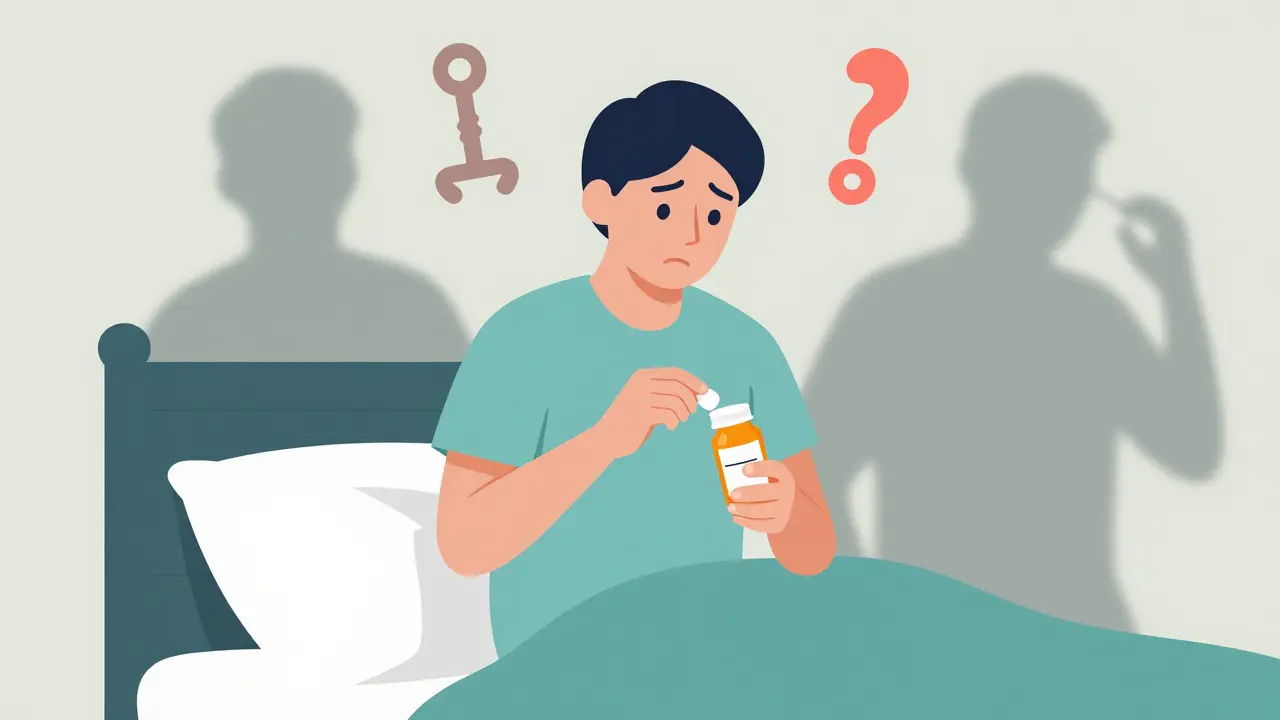
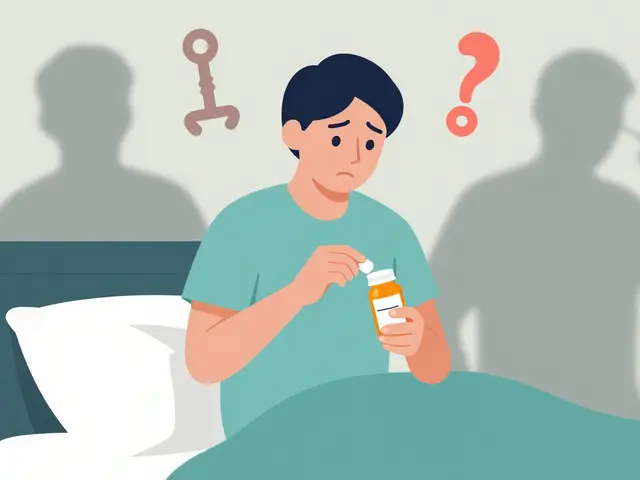
Many people don’t realize that the pills they take every day for depression, high blood pressure, or prostate issues can quietly affect their sex life. It’s not rare. It’s not unusual. It’s common. In fact, up to 73% of people taking certain antidepressants report sexual side effects - and many never tell their doctor. They feel embarrassed. They think it’s just stress. Or they assume nothing can be done. But here’s the truth: if your medication is hurting your sex life, there are real options - and you deserve to know them.
What Medications Cause Sexual Side Effects?
You don’t need to be on a long list of drugs to run into this problem. Even one common prescription can be enough. The biggest culprits fall into a few clear categories.Antidepressants are the most frequent offenders. Among SSRIs - the most prescribed type - paroxetine (Paxil) causes sexual side effects in about 65% of users. Fluvoxamine (Luvox) is close behind at 59%. Even sertraline (Zoloft) and fluoxetine (Prozac), often seen as "milder," still affect more than half of users. These drugs work by boosting serotonin, which helps mood but also shuts down sexual response. The result? Lower desire, trouble getting or keeping an erection, delayed or absent orgasm, and reduced pleasure.
Not all antidepressants are the same, though. Bupropion (Wellbutrin) and mirtazapine (Remeron) have much lower rates of sexual side effects. In fact, some people report improved libido on these meds. If sexual health matters to you, this isn’t just a side note - it’s a key factor in choosing the right treatment.
High blood pressure medications are another major source. Thiazide diuretics like hydrochlorothiazide (Microzide) are the most likely to cause erectile dysfunction in men. Beta blockers like atenolol also reduce blood flow and can make arousal difficult. For women, these drugs often lower desire and reduce pleasure during sex. But here’s something surprising: not all blood pressure meds do this. Angiotensin II receptor blockers like valsartan have actually been linked to improved sexual desire in women compared to beta blockers. Your blood pressure control doesn’t have to come at the cost of your sex life.
Prostate medications like finasteride (Propecia, Proscar) and dutasteride block a hormone called DHT. That helps shrink the prostate and slow hair loss - but it also lowers libido, causes erectile dysfunction, and can lead to problems with ejaculation. About 1 in 6 men on these drugs report lasting sexual issues, even after stopping the medication. If you’re taking one of these for hair loss, know that the sexual side effects are real and sometimes permanent.
Antiandrogens used in prostate cancer treatment - like bicalutamide - almost always cause complete loss of libido and erectile dysfunction. These effects are expected, and patients are usually counseled ahead of time. But for men who didn’t expect this trade-off, the emotional toll can be heavy.
Other drugs like gabapentin and pregabalin (used for nerve pain), opioids like oxycodone, and even some acid reflux medications (PPIs and H2 blockers) have also been tied to sexual problems. The science isn’t always clear on how, but the pattern is consistent: people report less desire, less function, less pleasure.
Why Do These Side Effects Happen?
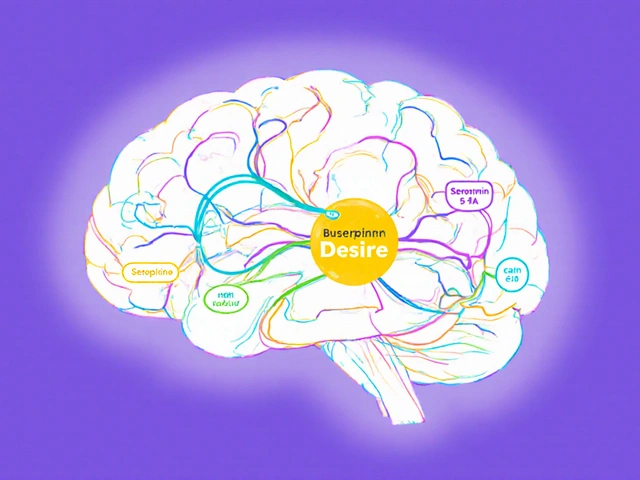
It’s not random. There’s a biological reason behind each one.Antidepressants like SSRIs increase serotonin in the brain. That helps with depression, but serotonin also acts as a natural brake on sexual arousal. Too much of it slows down the entire system - from desire to orgasm. It’s like hitting the pause button on your body’s pleasure response.
High blood pressure drugs work by changing how blood flows. Erectile function depends on good blood flow to the penis. If a drug lowers blood pressure too much or narrows blood vessels, it can make getting an erection hard - even if your heart is healthier.
Prostate medications and antiandrogens target male hormones. DHT and testosterone are critical for libido and sexual performance. When you block them, your body loses the fuel it needs to maintain sexual function. That’s why these side effects are so common and so strong.
Opioids mess with your brain’s hormone system. They bind to receptors in the hypothalamus, which controls testosterone production. Over time, this leads to low testosterone - which means low drive, low performance, and low energy. Even people who take opioids for short-term pain can notice changes.
And then there’s the psychological layer. If you’re dealing with depression, anxiety, or chronic illness, your sex life is already under pressure. Medication might be helping your mood - but making sex harder. That creates a painful loop: you feel worse about your body, which makes you avoid intimacy, which makes you feel even more isolated.
How Common Is This Really?
Numbers tell a clear story.Studies show that about 40% of people on antidepressants experience sexual side effects. For SSRIs alone, that number jumps to 59% in large studies. That’s more than half. And it’s not just men. Women report reduced desire, trouble with arousal, and difficulty reaching orgasm at similar rates.
Among people with high blood pressure, about 10% blame their meds for sexual problems. But experts think the real number is higher because many patients don’t bring it up. In one study, 41% of women on antihypertensives said they had lower sexual desire. Thirty-four percent said sex was less pleasurable.
For men on finasteride, about 5.9% to 15.8% report lasting low libido. Erectile dysfunction affects 5.1% to 9%. Ejaculation problems show up in up to 21.4% - and some of these issues stick around even after stopping the drug.
And here’s the quiet truth: many people stop taking their meds because of this. One study found that sexual side effects were the #1 reason people quit antidepressants. Not because the drug didn’t help their mood - but because it made sex feel broken.
What Can You Do About It?
The good news? You have options. But you need to speak up.Don’t stop your medication on your own. Abruptly quitting antidepressants or blood pressure drugs can cause serious withdrawal symptoms, spikes in blood pressure, or a return of depression. Talk to your doctor first.
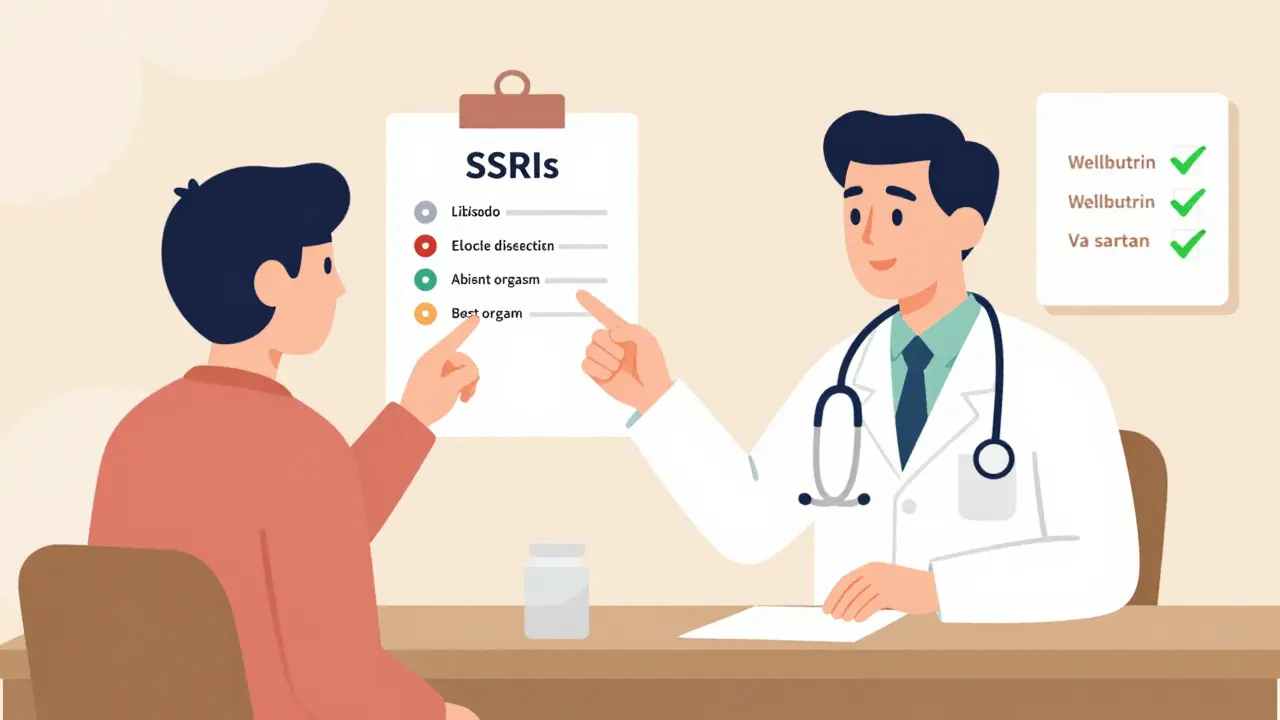
Ask about switching. If you’re on paroxetine and struggling with sex, ask if switching to bupropion or mirtazapine is possible. These have far fewer sexual side effects. For blood pressure, ask about switching from a thiazide diuretic or beta blocker to an ARB like valsartan - which may actually help your sex life.
Try a "drug holiday." For some people, taking a short break from their antidepressant on weekends - under medical supervision - can help restore sexual function without triggering withdrawal. This isn’t for everyone, but it’s been successful for some.
Consider adding a helper. For men with SSRI-induced erectile dysfunction, medications like sildenafil (Viagra) or tadalafil (Cialis) can be very effective. Studies show 74% to 95% of men see improvement. This isn’t a band-aid - it’s a tool that lets you keep your antidepressant while still enjoying sex.
Change how you take it. Some people find that taking their SSRI after sex - instead of before - reduces interference with arousal and orgasm. It’s a small tweak, but it works for some.
Move your body. Exercise improves blood flow, boosts testosterone, and lifts mood. Even 30 minutes of walking or cycling most days can help with both depression and sexual function. It’s one of the few interventions that helps on both fronts.
Get counseling. Sexual issues can feel isolating. Talking to a therapist - especially one trained in sexual health - can help you rebuild confidence, reduce shame, and find new ways to connect with your partner.
When to Worry
Most sexual side effects are frustrating but not dangerous. But some need urgent attention.If you have an erection that lasts longer than four hours (priapism), get to an ER immediately. This is rare, but it can cause permanent damage if not treated fast.
If you suddenly lose sensation in your genitals or nipples, or experience painful ejaculation, tell your doctor. These are uncommon but documented side effects of some antidepressants and antiepileptics.
If your libido vanishes completely and you feel numb to pleasure - even outside of sex - it could be a sign your medication is affecting your brain’s reward system. This isn’t just "low desire." It’s emotional blunting. And it needs to be addressed.
What’s New in 2025?
The field is changing. Doctors are now routinely screening for sexual side effects during checkups - especially for people on long-term antidepressants, blood pressure meds, or prostate drugs.Pharmaceutical companies are starting to track sexual function in clinical trials. The FDA now requires this for many new CNS drugs. That means future antidepressants may be designed with sexual health in mind from the start.
Researchers are also looking at genetics. Some people metabolize drugs differently, making them more prone to side effects. In the next few years, blood tests might help doctors pick the right antidepressant based on your DNA - not just your symptoms.
And for men on finasteride, new studies are exploring whether low-dose testosterone or other supplements can help reverse lasting sexual side effects. It’s early, but promising.
Final Thoughts
Sexual side effects from medication aren’t something you just have to live with. They’re a known, measurable, and often manageable part of treatment. Too many people suffer in silence because they think their doctor won’t understand - or that nothing can be done.But you’re not alone. Millions of people face this. And there are real, evidence-backed ways to fix it - without giving up your health.
Start by talking to your doctor. Bring this article. Ask: "Could my medication be affecting my sex life? Are there alternatives?" If they brush you off, find someone who listens. Your health isn’t just about living longer. It’s about living fully - and that includes your sex life.

Josh Potter
December 17, 2025 AT 12:29Bro. I was on Zoloft for 3 years. Zero sex life. Zero. I thought I was broken. Then I switched to Wellbutrin. Boom. Libido back. Now I’m dating again. Stop suffering in silence - your doctor doesn’t care until you scream.
Kent Peterson
December 18, 2025 AT 07:09Oh, here we go again - another liberal medical article pushing ‘talk to your doctor’ like that’s some magical solution. You think your GP gives a damn about your sex life? They’re rushing through 20 patients an hour. Meanwhile, Big Pharma is laughing all the way to the bank while you’re stuck on Paxil because ‘it works for depression.’
And don’t even get me started on ‘drug holidays.’ That’s not medicine - that’s self-experimentation with SSRIs. You think your brain just ‘resets’ like a phone? Wake up.
And yes - finasteride ruined my life. I stopped it. Two years later? Still no libido. No cure. No FDA apology. Just silence. And now you want me to trust ‘new studies’? Please.
Jody Patrick
December 20, 2025 AT 03:08Stop blaming pills. Just get fit. Lift weights. Eat clean. Sex drive comes back. Problem solved.
Evelyn Vélez Mejía
December 20, 2025 AT 14:23There is a profound tragedy in the modern medical paradigm: we treat symptoms with biochemical interventions, yet we refuse to acknowledge the somatic, emotional, and erotic dimensions of human life that these interventions so often obliterate. The body is not a machine to be calibrated - it is a symphony of desire, memory, and chemical nuance. When we silence one frequency - serotonin, DHT, dopamine - we do not merely adjust a setting; we mute the very music of intimacy.
That 73% statistic? It is not a side effect. It is a cultural erasure. A quiet genocide of pleasure, normalized under the banner of ‘mental health.’ And we are complicit - because we have been taught that survival is enough.
We must demand more than pharmacological band-aids. We must demand therapies that honor the whole person - not just the depressed neuron, but the trembling hand reaching for a lover in the dark.
Victoria Rogers
December 22, 2025 AT 08:29lol so now we're supposed to believe the FDA is suddenly 'requiring' sexual side effect tracking? Like they didn't know this for 30 years? And 'genetic testing' will fix it? Right. Next they'll say a blood test can cure loneliness.
Also - 'improved sexual desire in women on ARBs'? Yeah, right. That's the same study funded by Novartis. I've seen the data. It's garbage. They just redefined 'desire' as 'not crying during sex.' Progress.
Nishant Desae
December 22, 2025 AT 12:40I’m from India, and I’ve seen so many men here suffer silently with finasteride side effects - they’re too ashamed to talk, even to their wives. I’ve had friends who stopped the drug but never got their libido back. It’s heartbreaking. No one talks about it because in our culture, sex is whispered about, never discussed.
But I want to say this gently: you are not broken. You are not weak. And you are not alone. I’ve been there. I switched to saw palmetto for hair loss - slower results, but my sex life didn’t vanish. It’s not perfect, but it’s real. And real is better than numb.
Find your tribe. Talk to someone. Even if it’s a stranger online. You deserve to feel whole again.
Kaylee Esdale
December 23, 2025 AT 08:07My therapist said my SSRIs made me feel like a ghost in my own body. I stopped. I cried for weeks. Then I started yoga. Now I feel more alive than I have in a decade. It’s not about pills. It’s about listening to your body before it screams.
Philippa Skiadopoulou
December 24, 2025 AT 22:21The literature consistently demonstrates that sexual dysfunction associated with pharmacological agents is both underreported and undertreated. Clinical guidelines remain inadequate in addressing this domain, despite robust epidemiological evidence. A multidisciplinary approach incorporating urological, psychiatric, and psychosocial input is warranted. Patients require structured counseling protocols, not anecdotal recommendations.
Pawan Chaudhary
December 26, 2025 AT 17:29Hey man, I was on atenolol and couldn’t even look at my wife the right way. Then my doctor switched me to losartan - boom, things got better. Not magic, just science. Don’t give up. Ask for help. You got this.
Jonathan Morris
December 28, 2025 AT 17:2573%? That’s not a side effect - that’s a cover-up. These drugs were designed to suppress libido. Why? Because the pharmaceutical-industrial complex profits more from lifelong dependency than from curing anything. They don’t want you happy - they want you medicated. The ‘options’ they offer? Placebos with better branding. Wake up. This isn’t medicine. It’s control.