
Fentanyl Overdose: Signs, Risks, and What to Do Now
When someone experiences a fentanyl overdose, a life-threatening reaction to a synthetic opioid up to 100 times stronger than morphine. Also known as fentanyl poisoning, it occurs when the body can’t process the drug fast enough, shutting down breathing and heart function. This isn’t just a problem for people using street drugs—it’s happening to people who took a pill they thought was safe, or even someone prescribed fentanyl for pain who didn’t realize how potent it is.
Fentanyl overdose doesn’t always look like what you see in movies. The person might be unusually sleepy, nodding off, or have pinpoint pupils. Their skin may turn blue or gray, especially around the lips and fingernails. Breathing gets slow, shallow, or stops completely. You won’t always hear them cry out. Sometimes, they’re just quiet—too quiet. That’s why knowing the signs matters more than ever. Naloxone, a medication that can reverse opioid overdoses within minutes is the only thing that can bring someone back if given in time. It’s not a cure, but it buys those critical seconds to get help.
Many people don’t realize that fentanyl is often mixed into other drugs without the user’s knowledge. Pills sold as oxycodone or Xanax might actually be fentanyl. Even a tiny amount—less than a grain of salt—can kill. That’s why carrying naloxone isn’t just for drug users. It’s for parents, friends, coworkers, and anyone who knows someone taking pain meds or using substances. If you’re worried about someone, keep naloxone nearby. It’s available without a prescription in most places and works even if you’re not sure what they took.
There’s no shame in asking for help, and there’s no time to wait. If you suspect a fentanyl overdose, call 911 immediately. Give naloxone if you have it. Start rescue breathing if they’re not breathing. Stay with them until help arrives. These steps aren’t complicated, but they’re life-or-death. The more people who know how to act, the fewer lives we lose.
Below, you’ll find real stories, clear advice, and practical guides on how to recognize, respond to, and prevent fentanyl overdose. These aren’t theoretical discussions—they’re tools people have used to save lives. Whether you’re caring for someone on opioids, managing chronic pain, or just want to be prepared, what’s here can make all the difference.
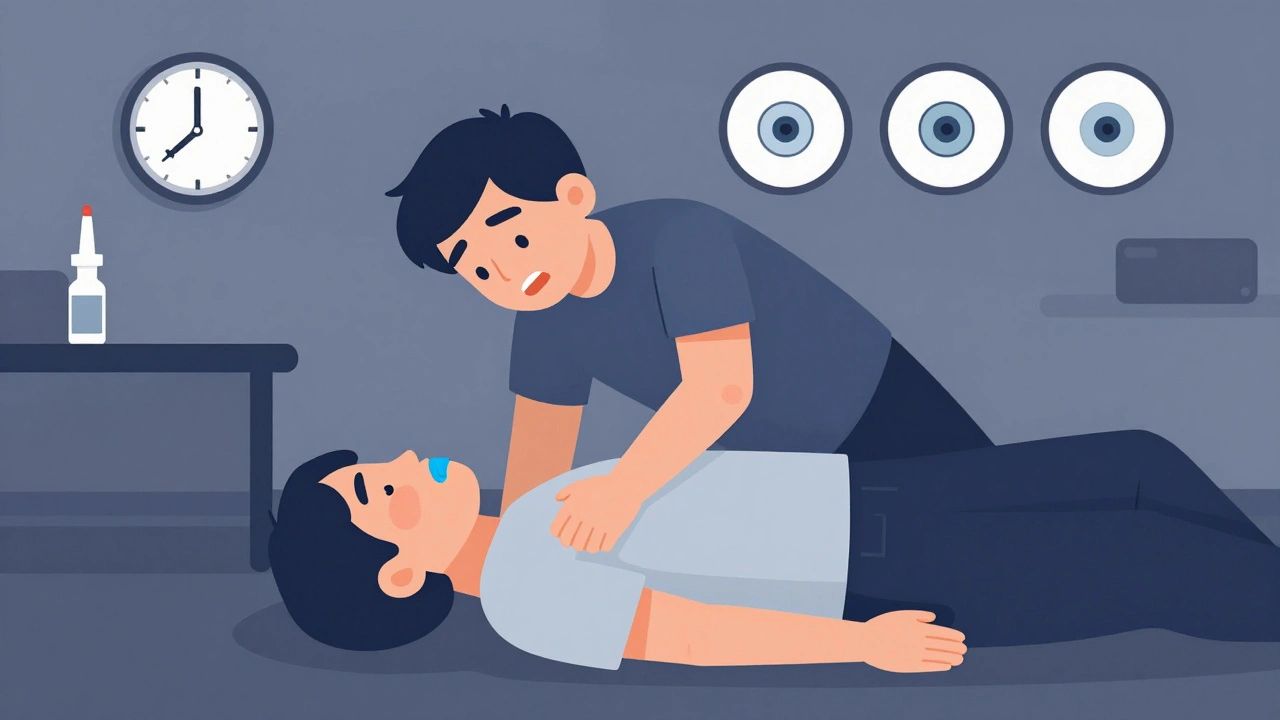
Opioid Overdose: How to Recognize the Signs, Respond in an Emergency, and Use Naloxone
Learn how to recognize the signs of an opioid overdose, respond immediately with naloxone, and save a life. Essential info for anyone who wants to act in an emergency.
Read More