
Naloxone Use: How It Saves Lives and When to Act
When someone overdoses on opioids, every second counts. naloxone, a life-saving medication that rapidly reverses opioid overdoses by blocking opioid receptors in the brain. Also known as Narcan, it’s not a cure—it’s a pause button that gives someone time to get emergency care. Naloxone doesn’t work on alcohol, benzodiazepines, or stimulants. It only reverses the effects of heroin, fentanyl, oxycodone, and other opioids. That’s why it’s so specific—and so critical.
People who use opioids, their families, and even strangers can carry naloxone. You don’t need a prescription in most places. It comes as a nasal spray or an injection. The nasal spray is the most common because it’s easy: one squirt up the nose, no needles, no training required. If the person doesn’t respond in 2-3 minutes, give a second dose. opioid overdose, a medical emergency caused by too much opioid slowing or stopping breathing can kill within minutes. Naloxone brings breathing back, but it wears off faster than some opioids—especially fentanyl. That’s why calling 911 is still necessary, even after giving naloxone.
naloxone administration, the process of delivering naloxone to someone experiencing an overdose is simple, but people still hesitate. They worry about legal trouble, or that the person will get angry. The truth? Naloxone can’t get you high. It won’t hurt someone who hasn’t taken opioids. And saving a life doesn’t come with consequences—only second chances. First responders, pharmacists, and community groups now train people to use it. Schools, churches, and even libraries keep it on hand.
It’s not just about drugs. Many people take prescription opioids for pain and don’t realize they’re at risk. Mixing them with alcohol or sleep aids increases the chance of overdose. Naloxone isn’t just for street drugs—it’s for anyone on opioids, even if they’re following their doctor’s orders. That’s why more doctors now give naloxone prescriptions alongside pain meds, especially for high-risk patients.
And here’s the thing: naloxone doesn’t encourage drug use. It gives people a shot at recovery. Every time it’s used, someone gets to wake up, call their family, or go to treatment. It’s not magic. It’s medicine. And it’s available to anyone who needs it.
Below, you’ll find real stories, clear guides, and practical advice on how naloxone works, who should have it, and what to do after giving it. These aren’t theory pieces—they’re tools you can use today.
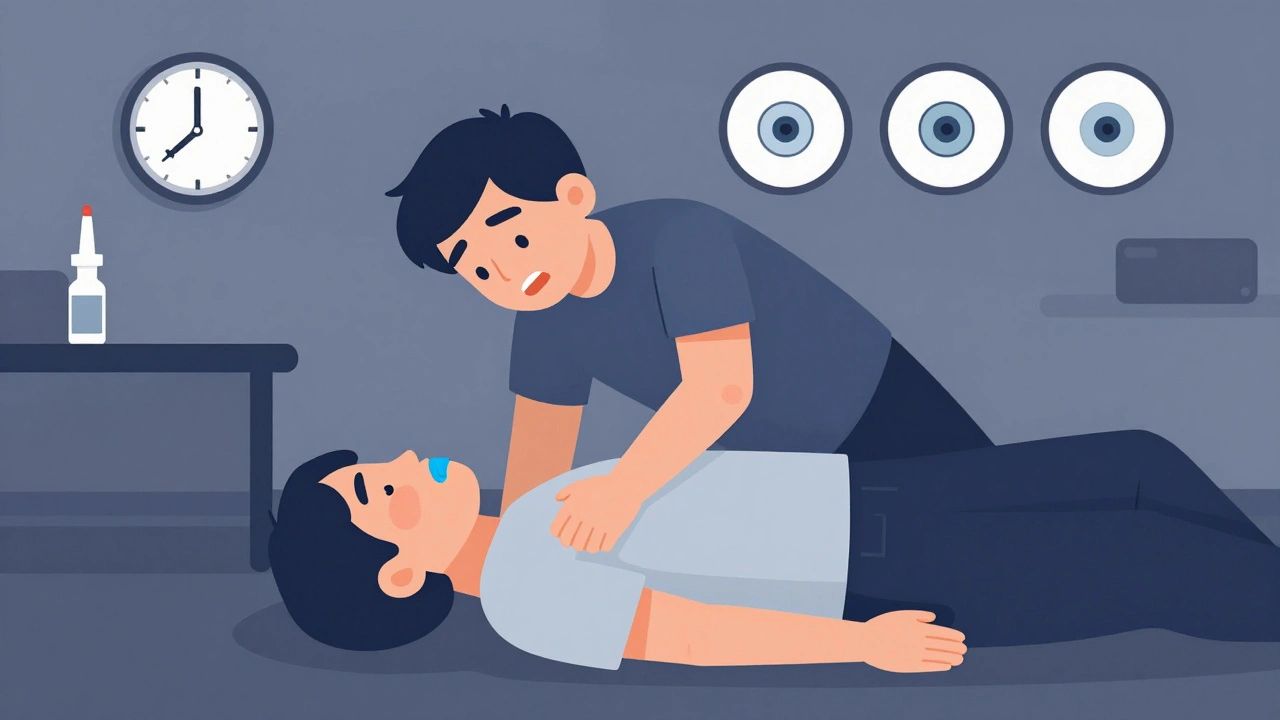
Opioid Overdose: How to Recognize the Signs, Respond in an Emergency, and Use Naloxone
Learn how to recognize the signs of an opioid overdose, respond immediately with naloxone, and save a life. Essential info for anyone who wants to act in an emergency.
Read More