
Opioid Overdose Signs: What to Watch For and How to Act
When someone overdoses on opioids, a class of drugs that include prescription painkillers like oxycodone and illegal drugs like heroin and fentanyl. Also known as narcotics, these substances slow down your brain’s ability to control breathing—sometimes stopping it completely. An opioid overdose isn’t always obvious, and waiting for someone to pass out can cost them their life. The most critical sign is respiratory depression: slow, shallow, or stopped breathing. You might notice their lips or fingernails turning blue, their body going limp, or them making gurgling sounds like they’re drowning in their own saliva. These aren’t just side effects—they’re emergency signals.
Many people don’t realize how quickly this can happen, especially with fentanyl, a synthetic opioid 50 to 100 times stronger than morphine. Even a tiny amount can cause an overdose, and it’s often mixed into other drugs without the user’s knowledge. This is why overdoses are rising even among people who think they’re taking something safer. Another key player is naloxone, a medication that can reverse an opioid overdose in minutes. It’s not a cure, but it buys time—enough to get emergency help. Naloxone works by kicking opioids off brain receptors, letting breathing restart. It’s safe, easy to use, and available without a prescription in most places.
It’s not just about recognizing the signs—it’s about acting fast. If someone is unresponsive and not breathing normally, call 911 immediately, give naloxone if you have it, and start rescue breathing. Don’t wait for them to wake up on their own. Don’t assume they’re just passed out. And don’t be afraid to help—even if you don’t know if they’re using opioids. Many overdoses happen in private, and bystanders are often the only ones who can save a life. The posts below cover real cases, how naloxone is distributed in communities, what to do after an overdose, and how to talk to loved ones about risk. You’ll also find info on why some people react differently to opioids, how to spot early warning signs before a full overdose, and what hospitals do when someone comes in. This isn’t theoretical. It’s life-or-death knowledge, and it’s easier to learn than you think.
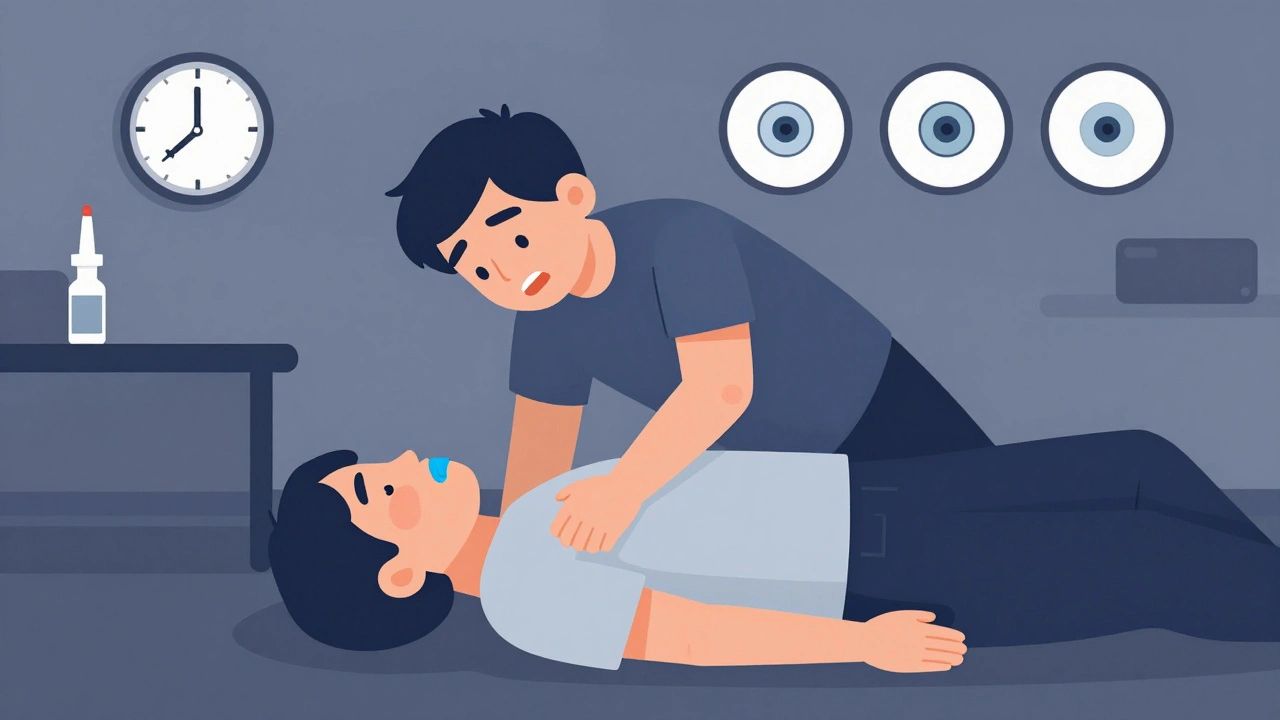
Opioid Overdose: How to Recognize the Signs, Respond in an Emergency, and Use Naloxone
Learn how to recognize the signs of an opioid overdose, respond immediately with naloxone, and save a life. Essential info for anyone who wants to act in an emergency.
Read More