
Report Drug Side Effects: How to Speak Up and Stay Safe
When you notice something off after taking a new medicine—like dizziness, a rash, or trouble breathing—you’re not imagining it. That’s a drug side effect, an unwanted or harmful reaction to a medication that isn’t the intended purpose of the drug. Also known as an adverse drug reaction, it’s more common than you think, and reporting it can save lives. Most people stay quiet, thinking it’s just "bad luck" or that no one will care. But every report you file helps the FDA and drug makers spot patterns before more people get hurt.
Side effects don’t always show up right away. Some creep in over weeks or months, like memory issues from anticholinergics, muscle pain from statins, or sudden swelling from blood pressure meds. Even if you think it’s minor—like dry mouth or nausea—it matters. These reactions add up. In fact, over 2 million serious side effects are reported in the U.S. each year, and many more go unreported. The FDA MedWatch, the official system used by the U.S. Food and Drug Administration to collect reports on unsafe drugs and medical devices exists for exactly this reason. You don’t need to be a doctor. You don’t need proof. Just your experience.
Who should report? Everyone. Patients. Family members. Pharmacists. Nurses. If you’ve seen a pattern—like three people on the same generic pill developing the same rash—that’s valuable. You might think your story is too small, but when hundreds of people report the same thing, it triggers a review. That’s how dangerous drugs like certain JAK inhibitors or antipsychotics got stronger warnings. And it’s how safer alternatives like pitavastatin rose in use because enough people spoke up about sugar spikes from other statins.
Reporting isn’t hard. You can do it online in under ten minutes at fda.gov/medwatch. Or call 1-800-FDA-1088. You can even ask your pharmacist to file it for you. Include the drug name, dose, when you started, what happened, and how long it lasted. If you have a label or bottle handy, snap a photo. That helps. And if you’re unsure whether it’s serious? Report it anyway. The FDA doesn’t mind getting too many reports—they’d rather have too many than too few.
Some side effects are rare but deadly. Blood clots from hormonal meds, heart rhythm issues from ziprasidone, or liver damage from herbal supplements—all of these have been flagged because someone spoke up. And it’s not just about you. Your report could prevent a neighbor’s parent from having a stroke after taking an antipsychotic, or stop a child from getting steroid acne from a cream that wasn’t meant for long-term use.
There’s a myth that side effects mean the drug is broken. Not true. All drugs have risks. The goal isn’t to scare you off medicine—it’s to make sure the risks are known, tracked, and managed. If you’re on a long-term drug like warfarin, amiodarone, or even a simple antacid, knowing how to spot and report changes is part of staying in control of your health.
Below, you’ll find real stories and practical guides on how side effects show up, who’s most at risk, and how to respond before things get dangerous. From color-coded pharmacy labels that warn you of interactions, to how inactive ingredients in generics can trigger reactions, to why the nocebo effect makes some people blame their statins for pain they don’t actually have—this collection gives you the tools to understand what’s happening in your body and what to do next. You don’t need to suffer in silence. Your voice matters.
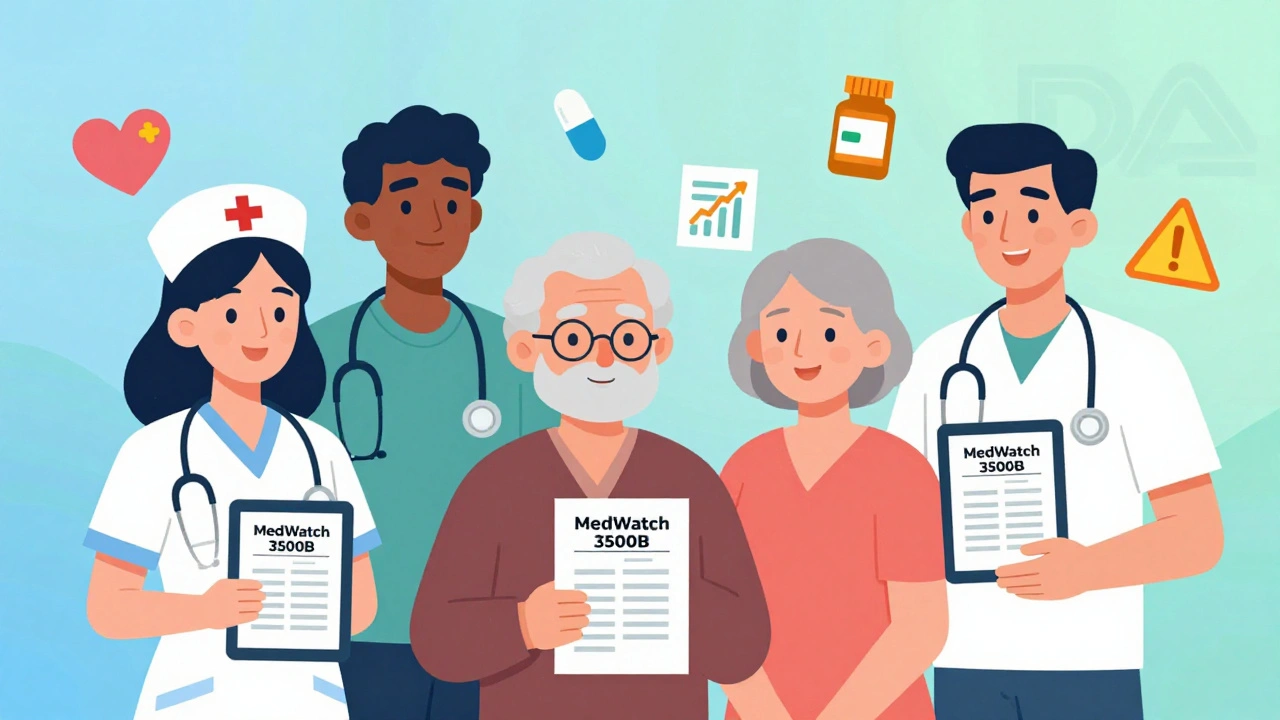
How to Report Adverse Drug Reactions to FDA MedWatch
Learn how to report adverse drug reactions to FDA MedWatch-whether you're a patient, caregiver, or healthcare provider. Your report could help prevent future harm.
Read More