
Biosimilars: What They Are, How They Work, and Why They Matter
When you hear biosimilars, highly similar versions of complex biologic drugs approved by the FDA after the original patent expires. Also known as biologic generics, they're not exact copies like regular pills—they're made from living cells and require intense testing to prove they work the same way in the body. Unlike simple generics, which are chemically identical to brand-name drugs, biosimilars are built from proteins and can have tiny differences that don’t affect safety or effectiveness. That’s why the FDA doesn’t just approve them like aspirin—it runs a full scientific review to make sure there are no clinically meaningful differences.
These drugs are changing how people treat serious conditions like rheumatoid arthritis, cancer, and Crohn’s disease. The original biologics—like Humira or Enbrel—can cost over $2,000 a month. Biosimilars cut that price by 15% to 35%, sometimes more. But here’s the catch: just because a biosimilar is approved doesn’t mean it’s automatically interchangeable. The FDA gives that extra stamp only if it can be swapped with the original drug without any risk, and very few have earned it so far. That’s why your doctor might prescribe a biosimilar, but your pharmacist can’t swap it out unless it’s labeled as interchangeable.
Related to this are biologic drugs, complex medications made from living organisms, often used for chronic autoimmune and cancer conditions. These aren’t made in a lab like pills—they’re grown in cell cultures, which makes them harder to copy exactly. That’s why biosimilars take years to develop and cost millions to test. And because they’re so complex, even small changes in manufacturing can affect how they work. That’s why the FDA biosimilars, the U.S. agency that evaluates and approves biosimilar drugs using strict scientific standards requires clinical trials showing they match the original in safety, purity, and potency.
Some people worry switching to a biosimilar might cause side effects or make their condition worse. But studies show that for most patients, the results are nearly identical to the original biologic. The real issue isn’t science—it’s insurance rules. Many insurers push biosimilars because they’re cheaper, but sometimes they force you to switch even if you’re doing fine on the brand. That’s called non-medical switching, and it’s a big reason why patients and doctors push back.
What you’ll find in the posts below isn’t just theory—it’s real-world info. You’ll see how the FDA evaluates these drugs, why some biosimilars are interchangeable and others aren’t, how they stack up against the originals, and what to do if your insurance tries to force a switch. You’ll also find out why a biosimilar might feel different even when it’s scientifically the same—because of inactive ingredients, how your body reacts, or even how you feel about the change. This isn’t about marketing. It’s about knowing what’s actually in your medicine, who approves it, and how to make sure you’re not paying more than you have to.
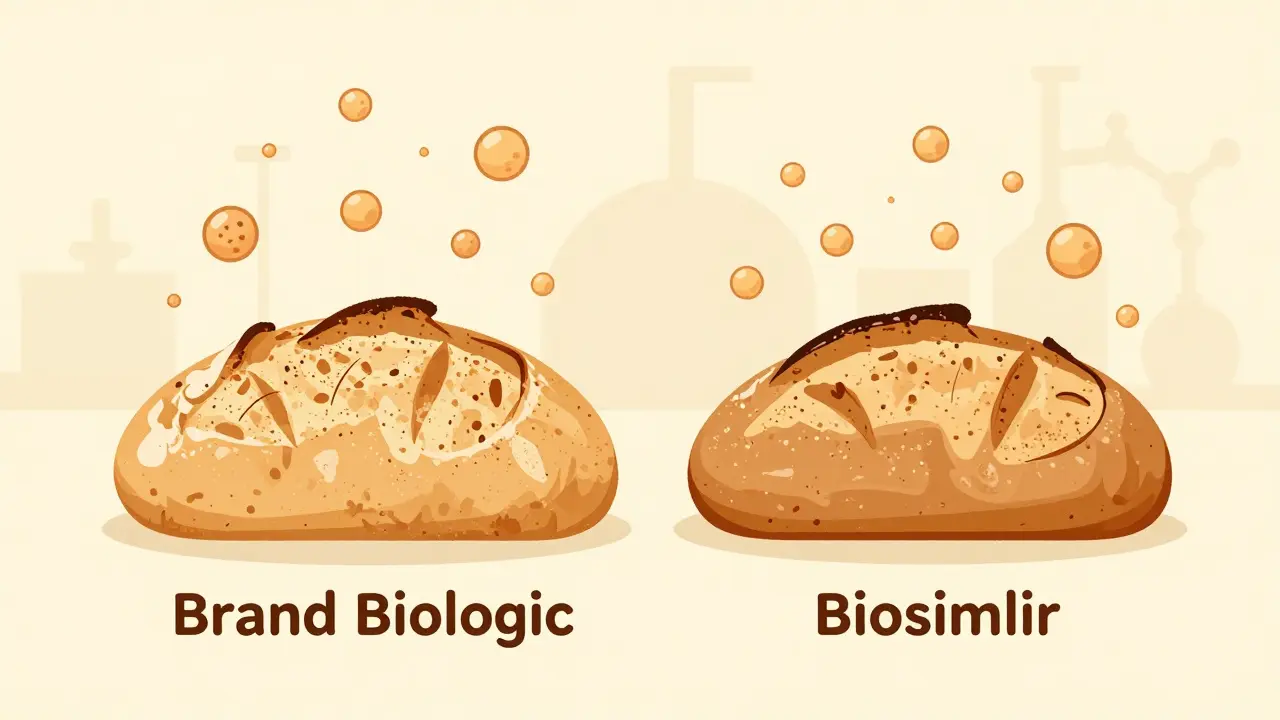
Lot-to-Lot Variability in Biologics and Biosimilars: What It Means for Patients and Providers
Lot-to-lot variability is natural in biologics and biosimilars due to their complex, cell-based manufacturing. Unlike generics, these drugs aren't identical between batches - but strict controls ensure safety and effectiveness. Here's what patients and providers need to know.
Read More
Interchangeability: When Biosimilars Can Be Substituted Automatically in the U.S.
Interchangeable biosimilars can be automatically substituted at the pharmacy in the U.S., but only if approved by the FDA and allowed by state law. Learn how this works, which drugs qualify, and what patients need to know.
Read More