
AffordableRxMeds - Your Trusted Source for Medications - Page 3

Lactose Intolerance: How to Get Diagnosed and Eat Well Without Dairy
Learn how lactose intolerance is diagnosed, what tests really work, and how to manage your diet without sacrificing nutrition. Find out which dairy products you can still enjoy and how to avoid hidden lactose.
Read More
Kyphoplasty vs Vertebroplasty: What You Need to Know About Vertebral Fracture Treatment
Kyphoplasty and vertebroplasty offer fast, minimally invasive relief for spinal fractures caused by osteoporosis. Learn how they work, their differences, safety, cost, and which one is right for you.
Read More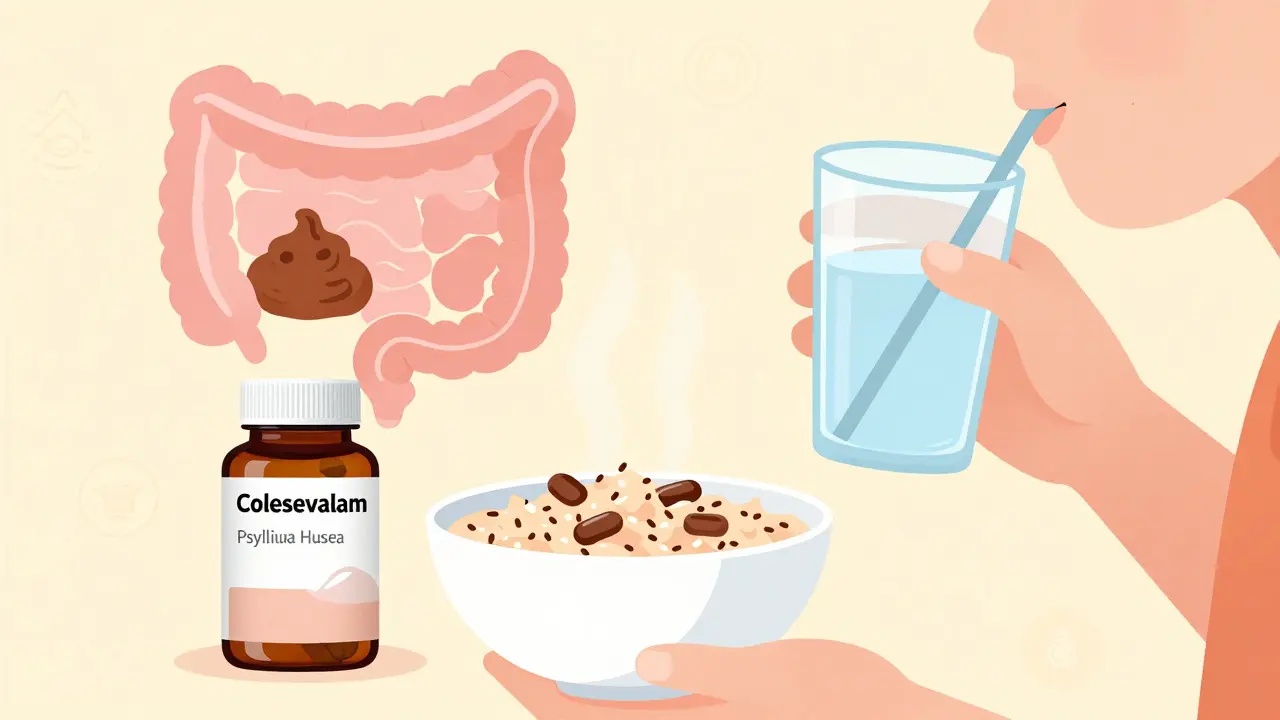
Colesevelam GI Side Effects: How to Manage Constipation and Bloating
Colesevelam can cause constipation and bloating in 10-15% of users. Learn why this happens, who’s at risk, and how to manage it with fiber, water, and smart dosing - without stopping the medication.
Read More
Mast Cell Activation: How Mediator Release Works and Why Stabilizers Help
Mast cell activation releases a flood of chemicals that cause allergic-like symptoms. Mast cell stabilizers like cromolyn sodium prevent this release before it starts-offering hope for those with MCAS who haven't found relief from standard allergy treatments.
Read More
How to Involve Grandparents and Caregivers in Pediatric Medication Safety
Grandparents care for millions of children, but their medications can be deadly if not stored safely. Learn how to prevent child poisonings with simple, proven steps that respect their experience and protect kids.
Read More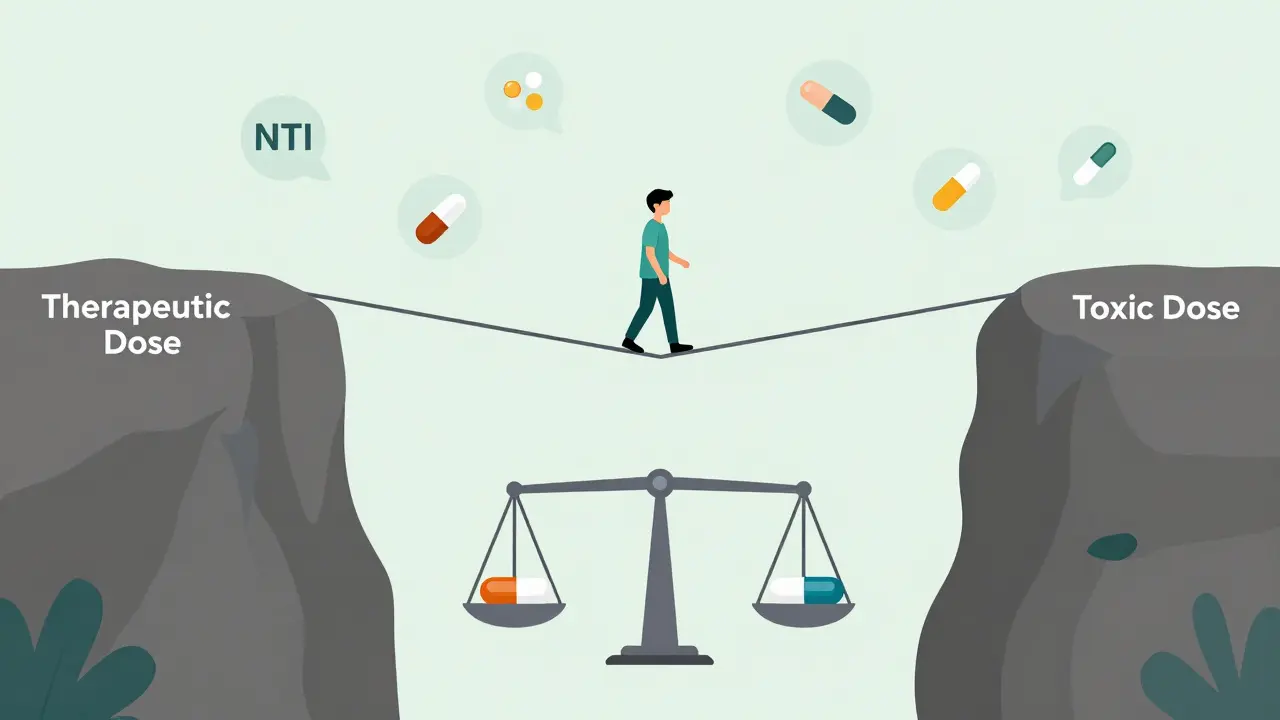
How to Understand Narrow Therapeutic Index Drugs and Generics
Narrow therapeutic index drugs require extreme precision in dosing. Understanding how generics interact with these medications is critical for safety. Learn which drugs are NTI, why substitutions can be risky, and how to protect yourself.
Read More
How to Prevent Compounding Errors for Customized Medications
Customized medications save lives-but only if they’re made safely. Learn the proven protocols, technologies, and labeling rules that prevent deadly compounding errors in pharmacies today.
Read More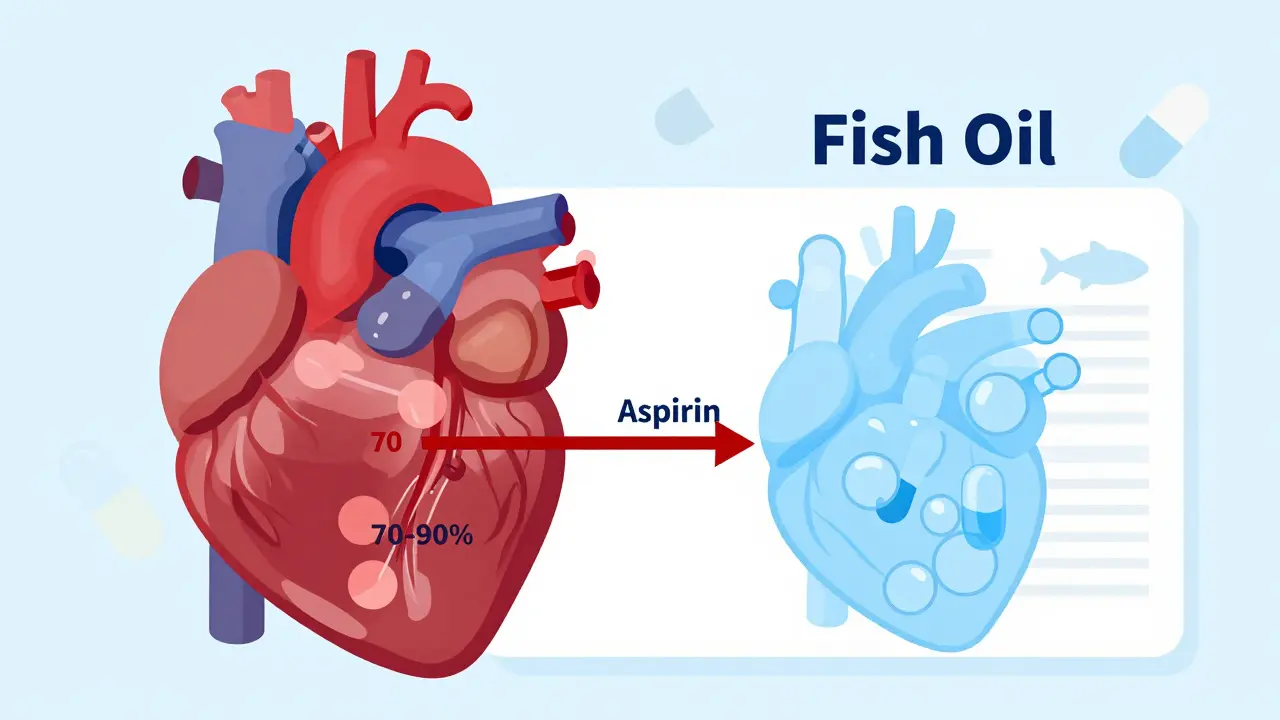
Fish Oil and Aspirin Together: Do They Thin Blood Too Much?
Fish oil and aspirin both affect blood clotting, but combining them at standard doses doesn't increase bleeding risk for most people. Learn what the science really says about safety, dosage, and when to be cautious.
Read More
Strabismus: Understanding Eye Misalignment and When Surgery Is Needed
Strabismus, or eye misalignment, affects 5% of children and can cause double vision, depth problems, and social stress. Learn when non-surgical treatments work-and when surgery is the best option for lasting correction.
Read More
Chronic Kidney Stone Disease: How to Prevent Recurrence with Diet and Fluids
Prevent kidney stone recurrence with simple, science-backed changes in fluid intake, sodium, calcium, and protein. Learn what to eat, what to avoid, and how to make lasting lifestyle shifts.
Read More